10 Story Ideas for Aesthetic Clinic Blogs
10 blog story ideas for aesthetic clinics — patient journeys, educational guides, behind-the-scenes and seasonal posts that build trust and drive consultations.
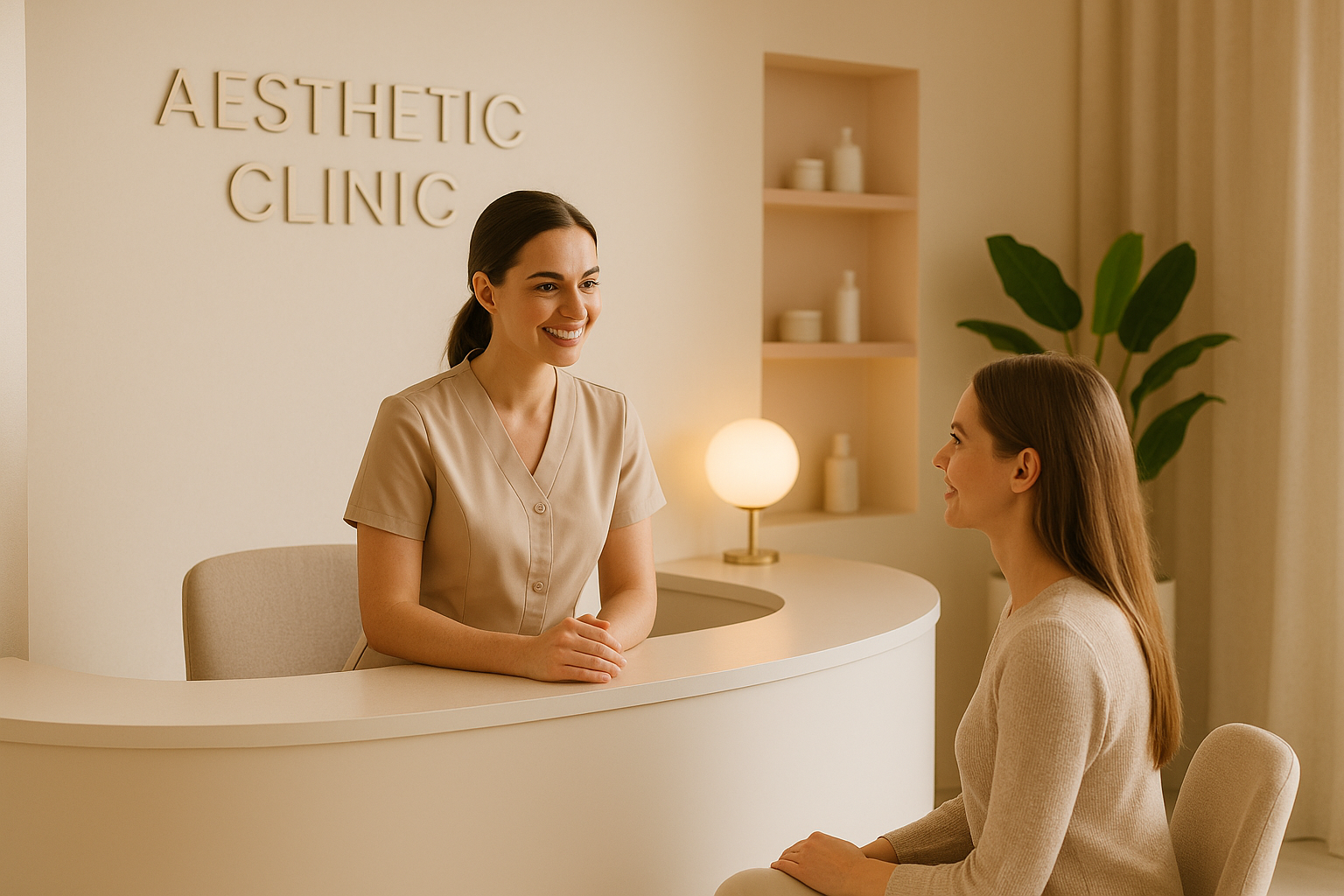

When potential patients search for aesthetic clinics, they’re not just looking for services - they want relatable stories and answers to their concerns. Sharing patient experiences, educational posts, and behind-the-scenes content can make your blog stand out while building trust. Here are 10 blog ideas to help you connect with your audience and drive consultations:
- Patient Journeys: Share real transformations, like first-time Botox stories or acne scar treatments.
- Educational Guides: Simplify complex treatments, debunk myths, and set clear expectations.
- Behind-the-Scenes: Show your clinic’s daily operations, introduce your team, and explain preparation processes.
- Seasonal Tips: Offer advice tailored to holidays or seasons, like summer skincare or pre-holiday treatments.
These ideas answer common patient questions, address fears, and highlight your expertise. Tools like Prospyr can help streamline operations, making it easier to focus on storytelling. Start small by turning FAQs into blog posts or sharing a patient transformation monthly. Over time, this approach can boost trust, improve search rankings, and convert readers into patients.
1. Patient Journeys
These patient stories not only explain treatment processes but also tackle common concerns, helping to build trust through detailed and relatable experiences.
"From Tired-Looking to Refreshed: A First-Time Botox and Filler Journey"
This narrative follows a patient in their late 30s or early 40s exploring injectables for the first time. The patient expresses typical worries like looking unnatural, experiencing pain, or facing judgment. During the consultation, the provider carefully evaluates the patient’s facial anatomy, sets realistic expectations, and crafts a personalized treatment plan. The actual procedure takes just 30 minutes, with a discomfort rating of 2/10. Progress photos at one week and one month reveal subtle, natural-looking improvements. The patient reflects on feeling more confident without any obvious signs of treatment.
This type of story addresses a common barrier for new patients: the fear of dramatic or unnatural results. A 2023 survey by the American Society for Dermatologic Surgery revealed that 72% of patients found before-and-after photos to be the most helpful content when selecting an aesthetic provider.
"12-Week Acne Scar Transformation: A Microneedling and Medical-Grade Skincare Journey"
This journey highlights a patient dealing with acne scars and textured skin. It begins with their emotional struggle - years of acne that led to avoiding mirrors or relying heavily on makeup. During the initial consultation, the provider outlines a 12-week plan featuring monthly microneedling sessions paired with a customized at-home skincare routine.
Milestones include:
- Week 2: Initial healing with mild redness.
- Week 4: First noticeable improvements in skin texture.
- Week 8: Reduced scar depth.
- Week 12: Smoother, more even skin.
Practical details, like 2–3 days of downtime after each session, the importance of using SPF 30+ sunscreen, and avoiding hot tubs over 100°F during recovery, make the process clear and approachable. This story emphasizes that meaningful skin improvements require consistency and patience, rather than quick fixes. According to a 2024 RealSelf report, 68% of aesthetic patients read reviews and testimonials before booking a consultation, showing how detailed, multi-step journeys can foster trust.
"Post-Baby Confidence: A Non-Surgical Body Contouring Story"
This story follows a patient seeking to regain body confidence after pregnancy without undergoing surgery. The focus is on addressing stubborn areas resistant to diet and exercise while easing concerns about lengthy recovery times. During the consultation, the provider explains non-surgical options like radiofrequency treatments or cryolipolysis, sets realistic expectations for gradual results over 8–12 weeks, and highlights how these treatments complement a healthy lifestyle.
The patient undergoes 3–4 sessions, each lasting 45–60 minutes. Comfort levels are high, and improvements in how clothes fit become noticeable over time. Including before-and-after photos with consistent angles and measurements in inches adds credibility. The patient later shares how feeling more comfortable in their body has boosted daily confidence.
Additionally, tools like Prospyr’s digital intake forms and integrated CRM/EMR system streamline the management of multi-visit treatment plans while ensuring HIPAA compliance, making it easier to document and track progress.
Reading about the problem? See how Prospyr solves it in one platform.
Book a Demo2. Educational Narratives
Educational narratives are a powerful way to connect with your audience by turning complex treatment details into relatable, easy-to-understand stories. Instead of overwhelming readers with dry medical jargon, these narratives guide them through procedures, address common myths, and set realistic expectations. They also position your clinic as a trusted source of information, helping to build confidence and long-term trust.
"From Consultation to Glow: Understanding Your First Chemical Peel"
Take readers through the journey of a first-time chemical peel patient, starting with the initial consultation. This story walks through how the provider evaluates the patient’s skin type, discusses contraindications, and prepares them for treatment day. It then covers the procedure itself and provides a recovery timeline, from Day 1 to Week 2. By explaining the benefits, potential side effects, and aftercare in a relatable format, this narrative helps first-timers feel informed and reassured, easing any concerns they may have and encouraging them to book their appointment.
"A Week in the Life of Your Skin After Neurotoxin Injections"
This post can be structured as a day-by-day diary covering the two weeks following Botox or similar neurotoxin treatments. It details the patient’s experience, starting with initial tenderness, the gradual onset of results by Day 3–5, and the peak effects around Week 2. Along the way, it addresses common concerns, such as what sensations are normal and what might signal the need to contact the clinic. By answering the frequent question, “When will I see results?” and managing expectations about the gradual nature of these treatments, this format not only educates but also reduces post-procedure anxiety.
"Fact vs. Fiction: A Day in Clinic Debunking Aesthetic Myths"
This engaging post uses mini-stories to tackle common misconceptions. For example, one patient might believe laser hair removal isn’t safe for darker skin tones; another assumes filler results are permanent after one session; a third worries that Botox will leave their face completely frozen. Through each scenario, the clinician provides evidence-based explanations, visual aids, and real-world examples to correct these misunderstandings. Research shows that myth-busting content is especially effective for aesthetic practitioners, as it directly addresses patient fears while showcasing transparency and expertise. This format allows you to debunk multiple myths in one post, keeping readers informed and confident in their choices.
To take these narratives even further, platforms like Prospyr can help you deliver targeted educational content at the right time. For instance, patients who inquire about laser treatments could automatically receive a "Week in the Life" recovery guide via email. This kind of timely, relevant follow-up reinforces their understanding and keeps your clinic top of mind when they’re ready to book.
3. Behind-the-Scenes Stories
Sharing behind-the-scenes content offers a unique glimpse into your clinic's daily operations, showcasing the people and processes that make patient care possible. This type of storytelling helps potential patients connect with your team on a personal level, building trust and showing the effort that goes into creating a safe and welcoming environment. People want to know who they’re entrusting with their care, and these stories can boost engagement and familiarity with your clinic. Alongside patient journeys and educational narratives, these insights further highlight the human side of your practice, reinforcing both trust and expertise.
"A Day in the Life at Our Aesthetic Clinic"
Take readers through a typical day at your clinic, from the moment the doors open to closing time. Follow a practitioner or team member as they go about their routine. Start with the morning setup - organizing treatment rooms and reviewing the schedule for the day. Then, dive into patient consultations, showing how providers assess skin concerns and recommend customized treatment plans. Include key moments like equipment sterilization, team meetings, and end-of-day walkthroughs. By detailing these steps, you highlight your team’s professionalism and dedication while giving potential patients a clear idea of what to expect, easing any first-visit nerves.
"Meet the Team: Our Aesthetic Nurse's Journey"
Introduce your team members with personal profiles that showcase their expertise and passion for aesthetic care. Share details about their education, certifications, years of experience, and even their favorite treatments. For example, you could feature your lead injector sharing how they discovered their knack for achieving natural-looking results, or a laser technician explaining their specialized training in treating various skin types. These profiles help patients feel like they already know your team, fostering a sense of trust. Pair these stories with professional headshots and candid photos of your team in action during consultations or treatments for an added layer of authenticity.
"How We Prepare for Your Treatment Day"
Offer a behind-the-scenes look at the meticulous preparation that happens before each patient appointment. Highlight how treatment rooms are cleaned, equipment is prepared, and safety protocols are followed. Share details about the checklists your team uses to ensure every detail is accounted for, from adjusting room temperature to maintaining patient privacy. This kind of transparency addresses common concerns about hygiene and safety, reassuring patients that your clinic operates with the highest standards of care and professionalism.
To make these stories even more impactful, pair them with high-quality photos or short videos featuring your team at work, spotless treatment rooms, and equipment being prepped. Tools like Prospyr's social media management features can help you share this content across platforms, while its marketing automation tools let you send targeted behind-the-scenes updates - like a "Meet Your Provider" email - after a patient schedules their first consultation.
sbb-itb-02f5876
4. Seasonal or Thematic Series
Creating a recurring seasonal series for your blog not only keeps your content relevant but also helps address your patients' timely concerns. Whether it's prepping for summer vacations or recovering from winter's harsh effects, these posts can resonate with readers while simplifying your content planning. Tying your topics to popular U.S. awareness days and holidays, like Memorial Day or Labor Day, can make your posts even more engaging. A perfect example? A guide like "Glow Into Summer."
"Glow Into Summer: Pre-Vacation Skin & Injectable Prep Guide"
In this guide, you can recommend treatments and aftercare tips tailored for summer conditions - think pre-summer injectables, SPF essentials, and gentle chemical peels. Include practical scheduling advice around major holidays like Memorial Day, July 4th, and Labor Day. Address common summer concerns such as UV exposure, heat-induced breakouts, and the anxiety some feel about revealing more skin during swimwear season.
Position your services as solutions. For instance, highlight the importance of medical-grade SPF products and antioxidant serums for sun protection. Suggest light chemical peels or facials to achieve that pre-summer glow. Emphasize the need to schedule injectables two to four weeks before big holiday weekends for optimal results. Explain why certain treatments - like collagen-stimulating procedures - are better suited for cooler months when UV exposure is lower. For sensitive skin, recommend patch tests or gradual peels to avoid irritation. Most importantly, encourage readers to book consultations early to ensure they’re ready for their summer vacations.
To make these seasonal guides even more effective, tie them into your clinic’s digital tools. Use Prospyr’s automation features, social media platforms, and AI-powered booking tools to connect your blog posts with targeted email or SMS campaigns. Make it easy for readers to move from education to action by seamlessly linking blog content to online appointment scheduling. This way, your seasonal posts can do double duty - educating your audience and driving bookings.
Conclusion
Storytelling transforms your blog into a go-to resource for connecting with potential patients. By sharing patient experiences, educational insights, behind-the-scenes moments, and seasonal tips, you demonstrate that you understand their concerns, value their intelligence, and care about their results.
What’s great about these 10 story ideas is that they don’t require a big budget or complex planning. Your clinic already has everything you need: real patient outcomes (with consent), common questions from consultations, daily routines that highlight your professionalism, and seasonal topics that align with the U.S. calendar. Start small - perhaps by turning your most frequently asked question into an educational story or sharing one patient transformation each month. Even these simple efforts can build trust and encourage inquiries over time.
A 2023 RealSelf survey found that 92% of people consider before-and-after photos essential when choosing a cosmetic provider. This highlights how powerful visual storytelling can be. But it’s not just about the images - pairing visuals with honest narratives that explain the why behind treatments, set realistic expectations, and address common fears (like looking “overdone” or worrying about downtime) can make your content even more impactful.
The secret is consistency, not perfection. Choose three story ideas you can realistically publish in the next month, assign simple tasks to your team, and use a basic content calendar to plan topics around U.S. holidays or seasonal skin concerns. This approach helps you maintain a steady flow of content that’s both meaningful and measurable.
To make things easier, think about how your practice management tools can support your efforts. Prospyr’s platform integrates patient records, scheduling, and marketing automation, helping you identify great candidates for patient stories while staying HIPAA-compliant. With built-in analytics, you can track how storytelling impacts membership sign-ups, repeat visits, and revenue, proving the value of patient-centered communication for both care and business growth.
Remember, patients are already searching online for relatable, trustworthy stories about aesthetic treatments. They want to know what to expect, whether their concerns will be heard, and if results will look natural. By sharing real transformations and answering these questions, you build a library of trust that works for your practice around the clock - educating potential patients, addressing their concerns, and inspiring confidence before they even schedule a consultation.
Start today: pick one story, secure consent, and publish it. Track simple metrics like page views, time spent reading, and consult requests mentioning your blog. Pay attention to comments like, “I read about downtime in your microneedling story...” during consultations - that’s proof your storytelling is resonating. Over time, these narratives will become a cornerstone of your marketing, attracting the right patients and fostering long-term relationships rooted in transparency, education, and care.
FAQs
How can sharing patient stories on a clinic's blog help build trust with new patients?
Sharing patient stories on your clinic's blog is a great way to connect with potential patients on a personal level. Real-life experiences allow readers to see what your treatments can achieve and help them imagine their own path to similar results.
Featuring honest testimonials and before-and-after photos (with proper consent) shows openness and builds trust. It reassures readers about the quality of your care while creating a sense of familiarity and confidence in choosing your clinic.
How can aesthetic clinics explain complex treatments in a way that’s easy for blog readers to understand?
To help blog readers better understand complex aesthetic treatments, use clear and conversational language instead of overwhelming them with technical terms. Simplify the process by breaking it into easy-to-follow steps and include everyday comparisons or analogies to make the concepts more relatable.
Adding visuals - like diagrams, infographics, or before-and-after photos - can make the content more engaging and visually clear. Addressing common questions or misconceptions directly is another great way to build trust and reassure readers. By keeping the tone warm and informative, you’ll create content that feels approachable and helpful.
How can aesthetic clinics use seasonal blog content to attract more patients?
Aesthetic clinics have a great opportunity to connect with their patients by creating blog content that ties into seasonal themes, holidays, or trending events. For instance, they could offer winter skincare tips to combat dryness, advice on protecting skin during the summer, or even thoughtful gift suggestions for Mother’s Day.
By focusing on topics that resonate with the current season, clinics can address timely concerns and make their content feel more relevant. Sharing these practical, season-specific insights not only builds trust but also encourages patient engagement and repeat visits.