Consent Revocation: Steps for Aesthetic Clinics
Aesthetic clinics must handle patient consent revocation carefully to comply with HIPAA regulations and maintain trust. Learn the essential steps.


Patients can revoke consent for treatments, data use, or marketing at any time. Aesthetic clinics must stop related activities immediately upon receiving such requests to comply with HIPAA and maintain trust. Mishandling revocations can lead to legal issues, fines, and damaged patient relationships.
Key Points:
- Patients can withdraw consent for treatments, data sharing, or media use without explanation.
- Requests must be submitted in writing and verified for authenticity.
- Clinics need clear protocols to update records, stop using revoked information, and notify internal teams and third parties.
- Documentation is required to ensure compliance with U.S. laws, including HIPAA.
Steps to Handle Consent Revocation:
- Receive & Verify Requests: Confirm the request details match patient records.
- Update Records: Log the revocation and stop using related data or images.
- Notify Teams & Vendors: Inform relevant staff and third parties promptly.
- Acknowledge the Patient: Send confirmation within 24–48 hours.
- Document Everything: Maintain records for at least six years.
Using digital tools like Prospyr can simplify this process by automating record updates and notifications while ensuring compliance.
Consent Revocation Basics
What is Consent Revocation?
Consent revocation is the process where a patient formally withdraws previously given permission for treatment, data use, or image publication. It allows patients to take back their consent for any of these purposes, giving them full control over their participation in medical care, data sharing, or marketing activities.
This process is a cornerstone of patient autonomy, empowering individuals to make decisions about their personal data and involvement. Patients can revoke consent at any point, for any reason, without needing to explain their choice.
For instance, a patient who initially approved Botox treatments might later decide to cancel future sessions. In such cases, clinics must act promptly to adjust their practices accordingly.
Let’s explore the different types of consent that patients might revoke in aesthetic clinics.
Types of Patient Consent in Aesthetic Clinics
Aesthetic clinics often obtain consent in three primary areas, each with unique considerations when a patient decides to revoke it:
- Treatment Consent: This involves approval for specific procedures. If a patient revokes this consent, the clinic must immediately stop any treatments that haven’t been carried out yet.
- Photography and Media Consent: This covers the use of patient images for purposes like marketing, education, or documentation. Revoking this consent requires the clinic to stop using or publishing those images right away.
- Data-Sharing Consent: This relates to how patient information is stored, used, or shared with third parties. Once revoked, the clinic must halt any further sharing or disclosure of that data.
It’s worth noting that patients can withdraw consent for one area - like marketing images - without it impacting other aspects of their care. This flexibility ensures clinics can respond with precision when handling revocation requests.
Legal Requirements for Consent Revocation
Under HIPAA regulations, patients have the right to revoke their consent at any time, as long as the request is submitted in writing. Clinics are obligated to honor these requests promptly and must document the entire process to stay compliant.
In addition to federal guidelines, state laws may impose extra requirements. These could include using specific forms, adhering to strict timelines, or providing patients with written confirmation within a set period. Clinics are also responsible for verifying that the individual making the request is either the patient or their authorized representative.
Maintaining detailed records of each revocation is critical. This includes noting the date the request was received, the specific type of consent revoked, how the request was communicated, and the actions taken afterward. Such documentation protects both the patient’s rights and the clinic’s compliance with legal standards.
Reading about the problem? See how Prospyr solves it in one platform.
Book a DemoStep-by-Step Guide to Managing Consent Revocation
Here’s a detailed guide to help you handle consent revocation effectively, ensuring compliance and reducing legal risks through proper documentation and timely communication.
How to Receive and Verify Revocation Requests
Consent revocation requests can come through various channels - email, mail, in-person, or phone. To process these, ensure the request includes key details such as the patient’s full name, date of birth, contact information, and specifics about the consent being withdrawn. For example, a patient might say: "I’d like to withdraw my consent for using my before-and-after photos in marketing materials but continue my Botox treatments."
Once you receive a request, verify its authenticity by cross-checking the information with your existing records. Match signatures or confirm the email address on file to ensure the request is legitimate. Keep a detailed log of the request, noting the date, time, method of submission, and the staff member who handled it.
After verification, proceed to update the records and take the necessary steps to stop using the revoked information.
Updating Records and Stopping Use of Revoked Information
Log the revocation in the patient’s file immediately, including a timestamp, details of the consent withdrawn, and the method of receipt. This step is crucial for audits or legal reviews.
Once documented, halt any use or sharing of the information tied to the revoked consent. This could involve stopping marketing emails, discontinuing data sharing with partner organizations, and removing affected images from both digital and print materials. Update the patient’s record to reflect the changes clearly. For instance, a note might state: "Patient revoked consent for marketing communications and third-party data sharing as of March 15, 2024, but retains consent for clinical treatment and billing."
Ensure your practice management system highlights which consents remain valid and which have been revoked. This clarity helps prevent unauthorized use moving forward.
How to Communicate with Patients and Internal Teams
Within 24–48 hours of receiving the request, send written acknowledgment to the patient. This message should confirm receipt of the revocation, outline the consents being withdrawn, specify the effective date, and provide contact details for any follow-up questions. For example:
"We’ve received your request to revoke consent for marketing communications, effective immediately. You will no longer receive promotional emails or marketing materials from our clinic. This change does not impact your ongoing treatment or billing processes."
At the same time, notify all internal teams and third-party vendors about the revoked consent. Use automated alerts to inform administrators and care teams promptly, reducing the risk of unauthorized use. For external vendors, send a written notice within 24–48 hours, including the patient’s name, date of birth, the specific data involved, and the effective date of revocation. Request confirmation that they’ve received the notice and will comply.
Documenting the Process for Compliance
Keep a comprehensive record of the revocation process, from the initial request to the final notifications. This includes verification steps, communications with internal teams, and notifications sent to third parties. HIPAA regulations require these records to be retained for at least six years.
The patient’s file should include timestamped entries detailing the revoked consent, the effective date, and a record of all actions taken. Document steps such as stopping marketing communications, removing promotional materials, and notifying third-party vendors. Maintain these records securely to safeguard against disputes or regulatory investigations.
Best Practices for Consent and Documentation Management
It's crucial to establish strong consent management practices before you ever face a revocation request. By proactively setting up these systems, your clinic can handle patient consents more efficiently and avoid potential issues when patients decide to revoke their consent. Here's how to ensure you're prepared.
Crafting Clear and Comprehensive Consent Forms
Consent forms are the backbone of patient interactions, and they must be both legally compliant and easy to understand. Use simple language, clear headings, and bullet points to make the forms accessible.
Each consent form should explicitly state that patients have the right to revoke their consent at any time. Include a dedicated section explaining how to submit revocation requests - whether through a written letter, your digital patient portal, or an in-person visit. For example, you might include language like:
"You may revoke this consent at any time by contacting our office in writing or through our patient portal. Revocation will not affect services already provided but will stop future use of your information as specified."
Clearly define the scope of each consent by separating different categories - such as treatment authorization, marketing communications, data sharing with partners, and permission to use before-and-after photos - into distinct sections. This approach allows patients to withdraw specific consents while keeping others intact, minimizing administrative confusion.
Include your clinic's contact details and designate a privacy officer responsible for handling consent-related matters. Be transparent about the consequences of revocation, such as opting out of marketing emails or removal from promotional materials. Finally, have your legal counsel review consent forms annually to ensure compliance with evolving privacy laws, and update them whenever treatment plans or policies change.
Training Your Team on Consent and Privacy Procedures
Your staff plays a critical role in managing consent and handling revocation requests. Regular training ensures everyone understands the legal requirements and knows how to document and communicate effectively with patients.
Hold quarterly training sessions to cover key topics like legal regulations, proper documentation practices, and patient communication techniques. Use practical scenarios and role-playing exercises to prepare your staff for various situations, such as processing a written revocation or handling a request to withdraw consent for specific purposes only.
Provide clear, concise guides that outline the steps for managing revocation requests, including verification, documentation, and team notifications. Reinforce that consent is ongoing and can be revoked at any time without explanation. For clinics serving diverse communities, offer consent forms and explanations in multiple languages, and ensure your team is equipped to communicate effectively with patients from different cultural backgrounds.
Well-trained staff and clear protocols not only improve patient trust but also set the stage for smoother audits and ongoing process improvements.
Performing Regular Consent Record Audits
Annual audits of your consent records are essential for identifying gaps in your processes and ensuring compliance with privacy laws.
Focus your audits on critical areas, such as verifying that all consent forms are up-to-date and include the required legal disclosures. Review a sample of patient files to confirm adherence to revocation protocols and ensure all requests are documented properly.
Track metrics to evaluate your consent management system's performance. For instance, monitor the number of consent forms processed, the volume of revocation requests, and the average time taken to handle each request. Setting performance benchmarks - like processing revocation requests within 24 hours - can help maintain high compliance standards.
Examine how you store consent records as well. Under HIPAA regulations, records must be kept for at least six years, so ensure both digital and physical systems are secure and accessible only to authorized staff.
Use the insights from audits to pinpoint bottlenecks and make improvements. Documenting your audit procedures and findings creates a solid paper trail that demonstrates your commitment to compliance and continuous improvement.
sbb-itb-02f5876
Managing Consent Revocation with Prospyr
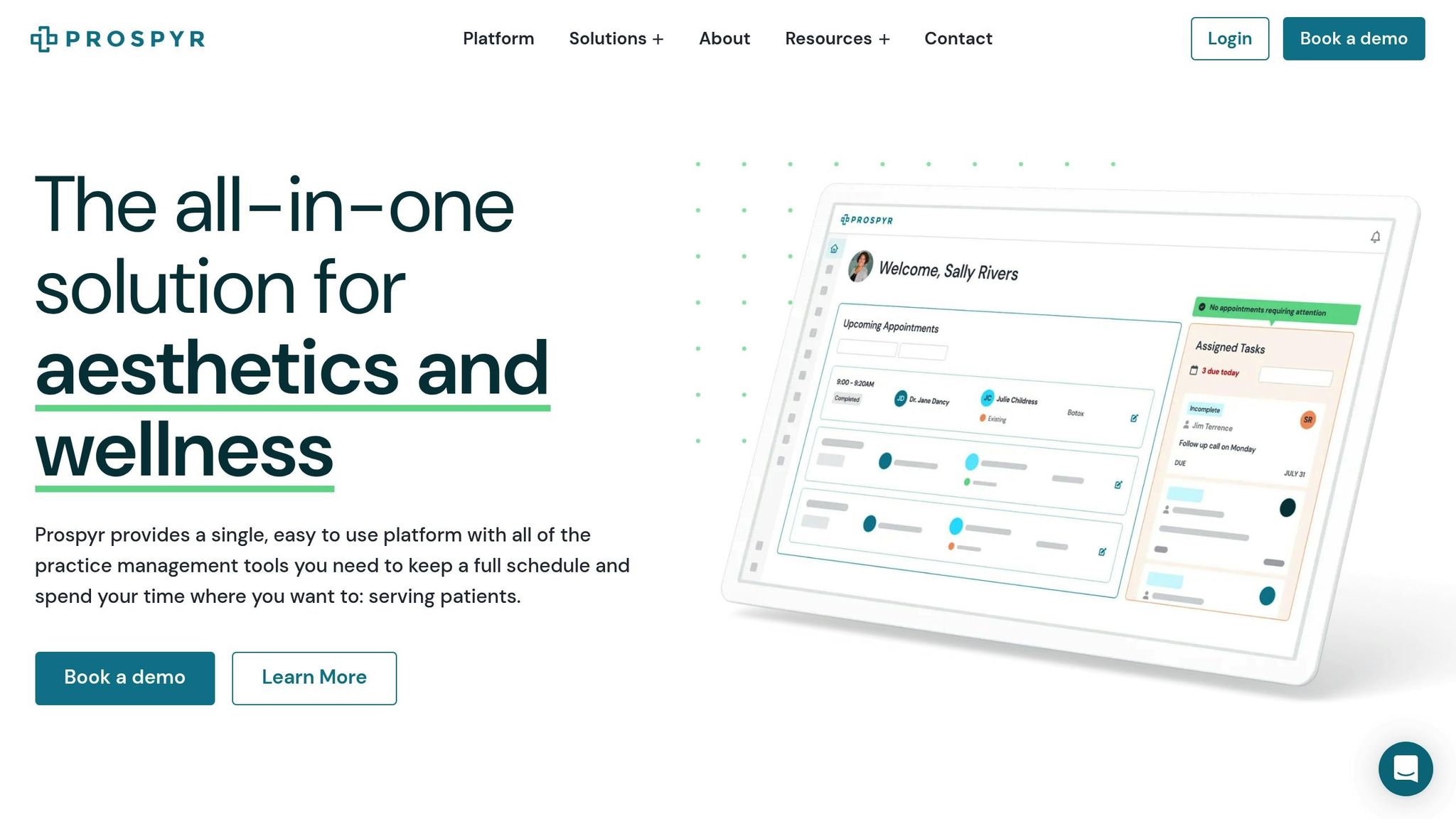
Prospyr takes the headache out of managing consent revocation by automating what can otherwise be a tedious and error-prone process. Manually handling countless consent forms can lead to mistakes and inefficiencies, but Prospyr’s all-in-one practice management platform simplifies the process through streamlined automation.
Key Features for Consent Management in Prospyr
Prospyr offers a centralized digital consent storage system that acts as a secure, HIPAA-compliant hub for all patient consents. Instead of juggling multiple systems, your team can easily access any consent form or revocation request from a single dashboard.
With digital intake forms, patient profiles are automatically updated as patients complete their intake. This ensures that consent preferences are seamlessly logged and linked to the appropriate records, setting the stage for smooth consent management throughout the patient relationship.
The platform’s CRM and EMR integration keeps patient data and consent tracking unified across all interactions. For example, if a patient revokes consent for marketing emails or withdraws permission to use their before-and-after photos, the updates are instantly reflected across your practice. Everyone - from front desk staff to treatment providers and marketing teams - has access to the same up-to-date information in real time.
Prospyr also includes a task management system that organizes revocation workflows into clear, actionable steps. When a revocation request is received, the system automatically generates tasks for each necessary action, such as updating records, removing permissions, notifying relevant staff, and documenting the changes for compliance purposes.
Automating Revocation Workflows
Prospyr’s automation tools take the manual labor out of consent revocation, reducing delays and minimizing errors. Whether a patient submits a request through the patient portal or staff logs a verbal request, the platform immediately triggers a series of automated actions.
For example, revoked permissions are automatically removed from all relevant systems, and any associated media - like before-and-after photos - is flagged for removal. This level of precision avoids the "all-or-nothing" approach that can harm patient relationships, especially for clinics that rely on visual content.
Targeted staff notifications ensure that only the necessary team members are alerted. Whether it’s updating treatment protocols, adjusting marketing lists, or documenting the revocation in the patient’s file, Prospyr keeps everyone informed without overwhelming the team with unnecessary alerts.
Additionally, the platform’s email and SMS communication tools ensure HIPAA-compliant communication with patients. Automated confirmation messages let patients know their request has been processed, reinforcing trust and showing that their privacy choices are respected.
By automating these workflows, Prospyr not only simplifies operations but also strengthens compliance measures.
Improving Compliance and Reducing Risks
Prospyr is designed to help practices avoid compliance pitfalls that often arise from manual consent management. Audit-ready documentation is a key feature, with the platform recording every revocation request in detail, including timestamps, staff actions, and patient communications.
Real-time compliance monitoring adds another layer of protection. The system tracks consent statuses across all patient interactions and flags any attempts to use revoked permissions before they lead to violations. This proactive approach helps safeguard your practice from costly HIPAA breaches while maintaining patient trust.
Prospyr’s integrated platform eliminates the gaps that can occur when managing consent across multiple systems. For example, if consent information is stored in one system but marketing tools operate in another, revocation requests can easily be overlooked. With Prospyr, everything is unified, ensuring consistency across all touchpoints.
Automation also naturally leads to fewer errors. Manual processes rely on staff to remember to update multiple systems and notify various team members - a process that’s especially prone to mistakes during busy times. Prospyr’s automated workflows ensure every task is completed accurately, regardless of staff workload or turnover.
Finally, the platform’s HIPAA-compliant data handling provides peace of mind. All consent data is encrypted and stored according to federal privacy standards, ensuring your practice meets regulatory requirements while safeguarding sensitive patient information.
Conclusion: Maintaining Compliance and Patient Trust
Properly managing consent revocation is about more than just following regulations - it's about building genuine trust with your patients. Under HIPAA and other privacy laws, every patient has the right to revoke authorization at any time. Respecting this right immediately shows your clinic's dedication to patient autonomy and ethical care, creating a solid foundation for both operational and legal advantages.
Failing to handle consent revocation correctly can lead to severe consequences, including legal penalties, loss of licenses, and lasting damage to your reputation. On the other hand, getting it right not only keeps you compliant but also strengthens patient loyalty. When patients see their privacy choices respected, they’re more likely to trust you, recommend your clinic, and return for future treatments.
Digital consent management systems can streamline this process while ensuring compliance. Clinics that have adopted these systems report fewer compliance errors and faster responses to patient requests. This efficiency not only protects your practice but also enhances the patient experience, fostering stronger relationships.
Clear protocols and the right tools make it easier to manage requests, whether they involve revoking marketing emails or photo permissions. Features like timestamped documentation and action tracking provide an added layer of protection for your practice while reassuring patients that their wishes are being honored.
Flexibility in consent revocation is equally important. Patients may choose to withdraw consent for specific uses while continuing their care. By accommodating these adjustments, you can maintain strong therapeutic relationships without disrupting ongoing treatments. Prompt responses, clear communication, and well-aligned team efforts are key to ensuring compliance and patient satisfaction.
At the end of the day, your clinic’s reputation hinges on how you handle these sensitive situations. When patients feel their choices are respected, they’re far more likely to recommend your services and return for future care.
FAQs
What are the key steps aesthetic clinics should follow to handle patient consent revocation while staying HIPAA-compliant?
When a patient decides to revoke their consent, aesthetic clinics need to act quickly and ensure compliance with HIPAA regulations. The first step is to document the revocation request thoroughly, noting the exact date and time it was received. It’s also a good idea to confirm the request directly with the patient to clear up any potential misunderstandings.
Once the revocation is confirmed, update the patient’s records to reflect the change. Make sure no further actions are taken based on the withdrawn consent. Any prior records should be securely archived following HIPAA guidelines, and access to the revoked information should be restricted as needed. Inform relevant staff members about the update, but always prioritize patient confidentiality.
Lastly, take a moment to review your clinic’s policies and procedures to ensure they align with HIPAA requirements for managing consent. Providing regular training for your team can go a long way in preventing mistakes and maintaining compliance.
How can tools like Prospyr simplify managing consent revocation in aesthetic clinics?
Prospyr makes consent revocation easier to manage with its digital intake forms, patient management tools, and streamlined communication features. These tools enable aesthetic clinics to handle consent updates quickly and effectively, ensuring compliance while enhancing the overall patient experience.
With Prospyr, clinics can securely monitor consent changes, automate notifications, and keep records updated in real time. This approach not only lightens the administrative workload but also strengthens patient trust by respecting their preferences and safeguarding their privacy.
What legal risks could clinics face if they mishandle consent revocation requests?
Failing to handle consent revocation requests correctly can put clinics in a tough spot, legally speaking. It opens the door to malpractice claims and potential violations of HIPAA regulations. These missteps can result in hefty fines, lawsuits, and a tarnished reputation for the clinic.
To steer clear of these issues, it’s crucial to establish clear policies for managing consent revocations. Make sure every staff member knows these policies inside and out. Thorough documentation and strict adherence to privacy laws are key to safeguarding both your patients and your practice.