Analyzing Competitor Branding in Aesthetics
Compare positioning, messaging, visual identity, and patient experience across three aesthetics brands to guide branding and operations decisions.

The U.S. aesthetics industry is highly competitive, with branding playing a key role in standing out. This article compares three brands - Prospyr, CaloSpa, and Dr. Jennifer Levine’s practice - focusing on their positioning, messaging, visual identity, and patient experience. Here’s a quick summary:
- Prospyr: Markets itself as a "Growth Platform", offering tools that simplify clinic operations and boost revenue. Its branding emphasizes professionalism, trust, and a modern, streamlined approach.
- CaloSpa: Balances expertise with approachability, creating emotional bonds with clients. Its polished visual identity reflects high-end care and trust.
- Dr. Levine’s Practice: Combines medical precision with a warm, personal touch. Focuses on relatable messaging to build trust and loyalty.
Quick Comparison
| Criteria | Prospyr | CaloSpa | Dr. Levine’s Practice |
|---|---|---|---|
| Positioning | Growth-focused platform | High-quality clinical care | Blend of medical expertise and warmth |
| Messaging | Simplification and modernization | Emotional connection and loyalty | Relatable, approachable storytelling |
| Visual Identity | Unified, modern design | Sophisticated and polished | Consistent, approachable tone |
| Patient Experience | Streamlined with tech tools | Hospitality-level care | Warm, personalized consultations |
Branding in this space isn’t just about logos or services - it’s about creating trust, consistency, and emotional connections at every touchpoint. Clinics that prioritize clear messaging, patient-focused experiences, and operational excellence are better equipped to thrive in this growing industry.
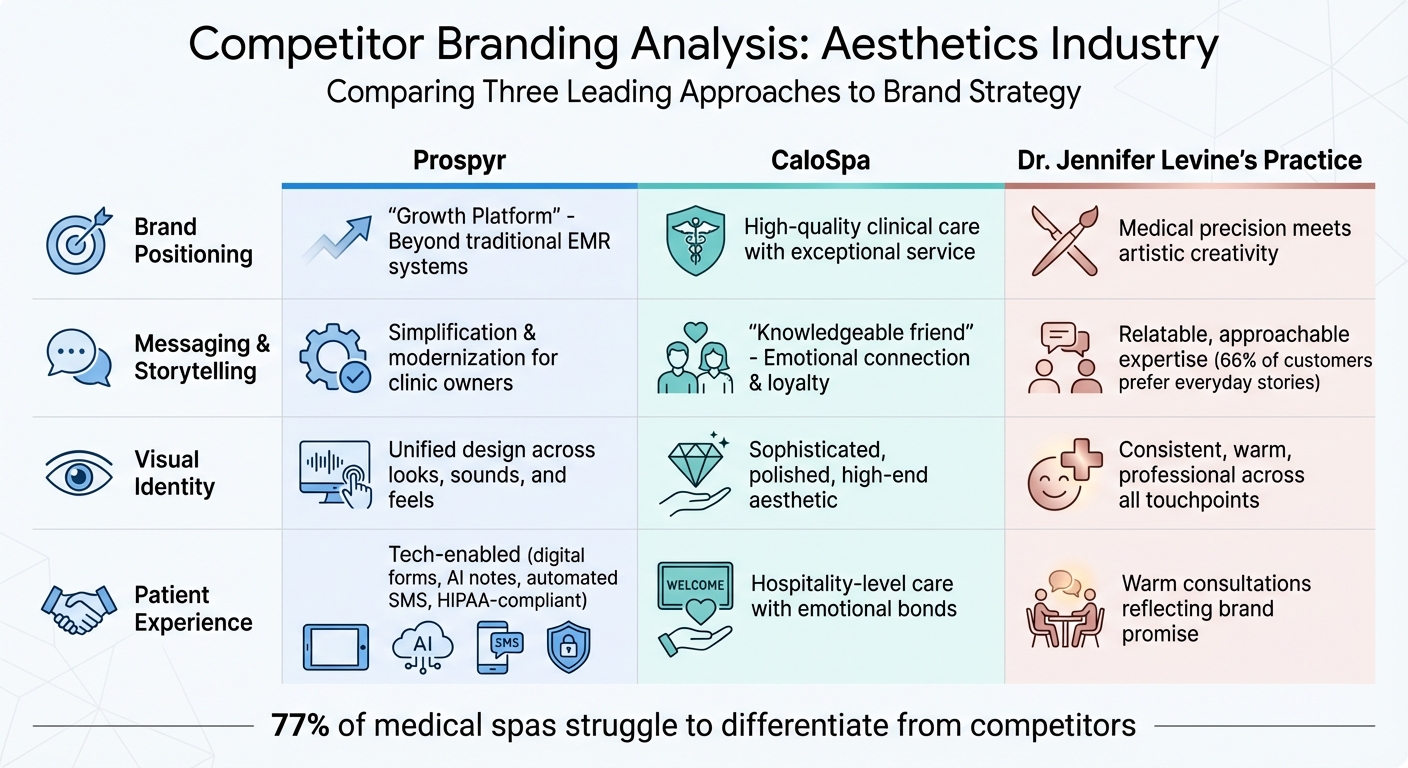
Aesthetics Industry Brand Comparison: Prospyr vs CaloSpa vs Dr. Levine
1. Prospyr
Brand Positioning
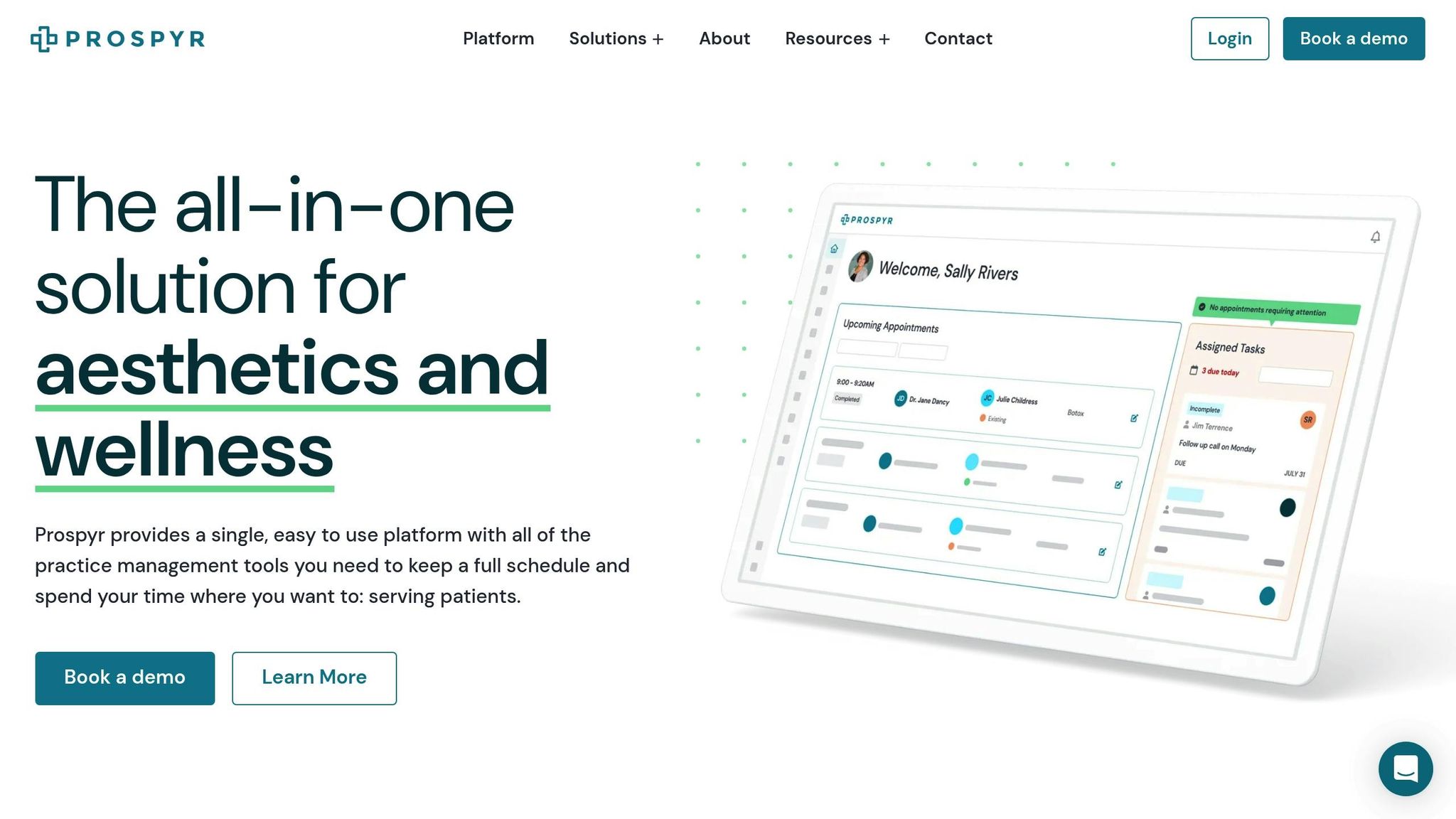
Prospyr sets itself apart as a "Growth Platform", going beyond the typical role of an EMR system for aesthetic practices. Instead of focusing solely on administrative tasks like record-keeping, Prospyr aims to be the go-to solution for practices looking to grow their revenue and expand their reach. By integrating a variety of tools into one cohesive system, Prospyr appeals to practitioners who want more than just operational efficiency - they want a platform that actively supports their business growth.
Messaging and Storytelling
Prospyr’s messaging revolves around simplification and modernization. The platform tells a story that resonates with clinic owners who are tired of juggling multiple subscriptions and systems. By offering an all-in-one solution, Prospyr promises to eliminate the operational headaches that come with managing disparate tools. This narrative speaks directly to clinic owners who value trust and professionalism while seeking a modern, streamlined approach for their practice.
Visual Identity
Prospyr’s branding is built on three core pillars: how the brand looks (visual design), sounds (tone and voice), and feels (ethos and values). Branding is described as the "intangible thread" that connects a business to its clients, encompassing everything from the clinic’s personality to every interaction - whether in-person or digital. This approach ensures that branding goes beyond just a logo, creating a consistent and meaningful experience across all patient touchpoints. The result is a unified visual and emotional narrative that strengthens the connection between the clinic and its patients.
Patient Experience
Prospyr enhances patient interactions by offering a range of tools designed to make every step of the process smoother. Features like digital intake forms, automated appointment reminders via email and SMS, AI-generated notes, automated SMS marketing, and integrated payment processing ensure a seamless experience. The platform’s HIPAA-compliant design reinforces the level of security and professionalism that patients expect. On top of that, Prospyr enables practices to manage social media scheduling, respond to reviews, and capture leads - all from a single dashboard. This helps clinics maintain a consistent and polished brand presence across every channel where potential patients might discover them.
Reading about the problem? See how Prospyr solves it in one platform.
Book a Demo2. Competitor Aesthetic Brand 1
Brand Positioning
CaloAesthetics® Plastic Surgery Center, known as CaloSpa, in Louisville, KY, has built its reputation on offering high-quality care by focusing on both exceptional clinical treatments and outstanding client service. While the brand initially revolved around its founder, Dr. M. Bradley Calobrace, it has since grown into a well-defined entity that represents its commitment to excellence throughout the organization.
Messaging and Storytelling
CaloSpa presents itself as a "knowledgeable friend", blending approachability with expertise rather than relying solely on a clinical image. Dr. Calobrace illustrates this philosophy:
"Your brand creates connectivity and loyalty with customers. The brand delivers an emotional and loyal bond with each of them. It breathes its own life, and that translates to customer loyalty, growth, and profits for your organization."
By moving beyond founder-focused messaging, the brand has successfully fostered emotional ties with its clients, which has translated into stronger customer loyalty and consistent growth.
Visual Identity
This approachable yet premium persona is reflected in CaloSpa's visual branding. From the sophisticated design of its offices to its polished website and social media presence, every element reinforces a sense of trust and high-end care.
3. Competitor Aesthetic Brand 2
Brand Positioning
Dr. Jennifer Levine’s practice stands out by presenting itself as a "knowledgeable friend." Instead of adopting a cold, clinical image, her brand takes on a warm, approachable identity that blends expertise with a personal touch. It positions itself at the unique crossroads of medical precision and artistic creativity, offering a balance of science and aesthetics.
Messaging and Storytelling
Consistency is key in how the practice communicates across all platforms. The messaging highlights both clinical expertise and an inviting demeanor, creating a sense of trust. This approach aligns with broader trends in consumer preferences. For instance, studies show that 66% of customers are drawn to brand stories featuring relatable, everyday individuals, while only 10% are interested in hearing from CEOs.
Visual Identity
Every aspect of the practice’s visual presence is carefully curated to reflect its approachable yet professional tone. From email campaigns and social media posts to advertisements and the office’s physical design, the brand ensures a cohesive and recognizable identity at every touchpoint. This often involves leveraging embedded marketing tools to maintain brand presence across digital channels. This visual consistency reinforces the brand’s message and builds familiarity with patients.
Patient Experience
Dr. Levine’s practice treats patient relationships as a cornerstone of its success. The same warmth and accessibility seen in the brand’s marketing and digital presence are carried into real-life interactions. Consultations are designed to reflect the brand’s promise, ensuring patients feel valued and understood at every step.
sbb-itb-02f5876
Strengths and Weaknesses
Expanding on the brand comparisons mentioned earlier, the following insights shed light on key strategic trade-offs. Each brand brings its own strengths and challenges in areas like positioning, messaging, visual identity, and patient experience, offering valuable lessons for staying competitive.
Premium positioning can deliver high profit margins and attract a loyal clientele that prioritizes quality over cost. However, achieving this requires substantial investments in design and staff training. On the other hand, brands that focus on safety and compliance build strong trust by presenting themselves as authorities. While effective, this clinical approach may lack the lifestyle appeal that resonates with a broader, consumer-oriented audience.
Educational content strategies are another powerful tool. By providing science-based information, brands can build long-term credibility and reduce price sensitivity among patients. However, the benefits of this approach are often more qualitative and harder to measure. As Hamilton Fraser aptly puts it:
"Marketing in the aesthetics industry is not just about attracting clients; it's about establishing credibility, demonstrating professionalism, and building long-term relationships".
Experience-focused branding elevates patient interactions, transforming them from simple transactions into moments of hospitality-level care. This creates emotional connections and helps justify premium pricing. The downside? It introduces operational challenges, requiring seamless team coordination and a sharp focus on every detail, from the initial impression to post-treatment follow-ups. These complexities also open doors for data-driven strategies to refine patient experiences further.
Omnichannel marketing combined with integrated data systems allows for better personalization and improved workflow efficiency. This approach recognizes that relying on just one communication channel is insufficient. Meanwhile, brands that prioritize rapid scaling attract practices aiming for growth. However, agency-led models often come with higher costs and create dependency compared to more flexible, self-service options.
Consistency in visual branding across all touchpoints is another critical factor in building strong brand recognition. As highlighted earlier, missteps like using misleading filters can weaken an otherwise strong brand image. Additionally, overlooking returning patients - who can make up as much as 70% of visits - represents a significant missed opportunity. Together, these insights emphasize the importance of balancing visual consistency with operational excellence to achieve lasting brand success.
Conclusion
The aesthetics industry is grappling with a major challenge: standing out in an increasingly crowded market. In fact, 77% of medical spas report difficulties differentiating themselves from competitors. Without a clear and unique identity, clinics risk falling into price wars. True branding isn’t just about marketing - it’s about defining who you are at your core. As Wendy Lewis, Founder of Wendy Lewis & Co., puts it:
"Branding will consistently support who you really are so all the stakeholders involved are in lockstep with the core culture, mission, messaging and 'raison d'etre' of your business".
To carve out a niche, clinics must focus on their unique selling proposition (USP). This could mean offering preventative treatments, addressing underserved groups like men (who currently make up just 20% of plastic surgery clients), or creating signature treatments that set them apart. Every touchpoint with patients should reflect this identity, and relatable stories can help foster deeper connections. These steps lay the groundwork for operational strength.
Operational excellence is the backbone of delivering on brand promises. Tools like Prospyr show how technology can enhance this by streamlining scheduling, automating follow-ups, and ensuring consistent patient communication across channels. By automating routine tasks, staff can focus on personalized care, which is essential for building lasting relationships. This is particularly important in a competitive landscape where 84% of U.S. adults say they are loyal to specific retailers - a strong, clear brand identity is key to earning and maintaining that loyalty.
Looking ahead, clinics that embrace consistent strategies, clear messaging, and tech-enabled experiences are well-positioned to thrive in a market projected to triple by 2033, driven by advancements in AI and minimally invasive treatments. As Dr. Jennifer Levine aptly notes:
"Measuring the worth or value of a brand is qualitative, not quantitative... if what you're putting out there is true to your brand, it will bring you success".
FAQs
Why is branding important for building patient trust in the aesthetics industry?
In the world of aesthetics, branding isn't just about looking good - it’s about building trust. Patients need to feel assured that your clinic is professional, reliable, and genuinely cares about their well-being. A well-crafted brand, from your logo to the tone of your messaging, sends a clear signal: your clinic is a place they can trust for personal and visible transformations.
Trust is the cornerstone of the aesthetics industry. Patients are entrusting you with procedures that can significantly impact their lives, so every interaction matters. Consistent messaging, polished visuals, and a unified story across platforms - whether it’s your social media posts, appointment reminders, or follow-up communications - help ease doubts and build confidence. Tools like Prospyr can take this a step further, ensuring every stage of the patient experience feels smooth and professional, strengthening both trust and loyalty.
What makes a strong visual identity for aesthetic brands?
A strong visual identity is the cornerstone of any aesthetic brand, reflecting both personality and professionalism. Start by creating a distinct logo and selecting a consistent color palette - these elements should make your brand instantly recognizable. Your choice of typography also plays a big role: serif fonts can convey elegance and luxury, while sans-serif fonts offer a clean, modern, and clinical vibe. Pair this with a cohesive imagery style, ensuring that lighting, composition, and tone remain uniform across all platforms, from social media posts to printed materials in your office.
To keep everything aligned, develop clear brand guidelines. These should cover logo usage, exact color codes, and image styling, ensuring your branding stays consistent at every touchpoint. This not only builds trust but also helps your practice stand out in a crowded market. Tools like Prospyr can simplify asset management, helping you maintain branding consistency across emails, SMS, social media, and more - all while staying HIPAA-compliant.
How does operational excellence enhance branding in the aesthetics industry?
Operational excellence plays a key role in shaping a strong aesthetic brand by ensuring that every patient interaction reflects your brand's values and promises. Whether it's smooth scheduling, quick and hassle-free check-ins, consistent treatment outcomes, or clear and open communication, these efficient processes build a professional and dependable experience that earns patients' trust and loyalty.
But the benefits go beyond patient satisfaction. Streamlined operations can cut costs and boost efficiency in meaningful ways. Using tools like CRM systems, scheduling software, payment processing platforms, and AI-powered communication, clinics can simplify their workflows, reduce mistakes, and maintain a consistently high level of service. This not only enhances your brand's reputation but also turns first-time patients into loyal advocates who keep coming back.