Top User-Generated Content Campaigns in Aesthetics
User-generated content—patient stories, reviews, and before-and-after photos—boosts trust, engagement, and conversions for aesthetics brands and clinics.
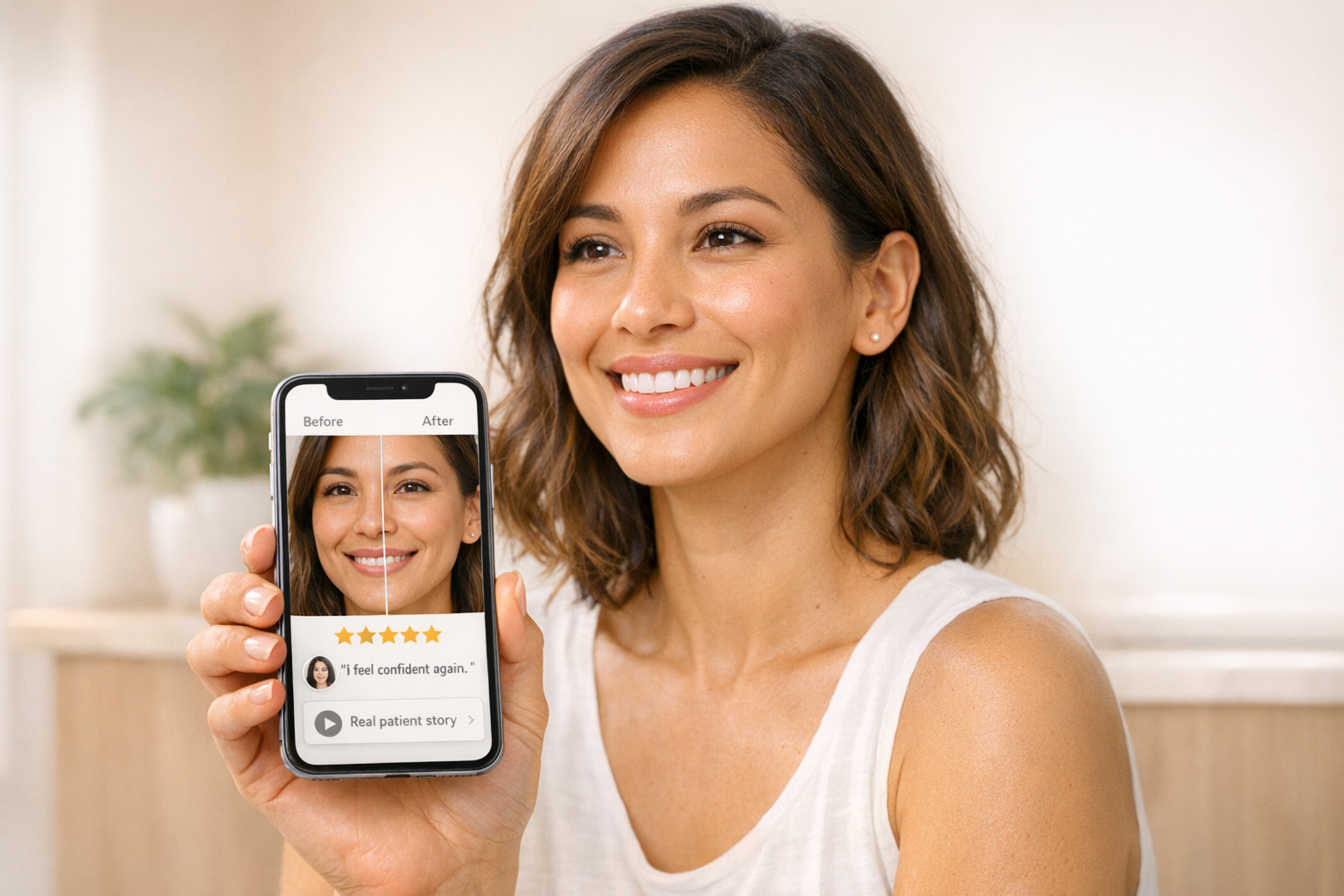

User-generated content (UGC) is reshaping how aesthetics brands connect with consumers. By showcasing real patient stories, photos, and testimonials, brands are building trust and driving engagement. Why does UGC work? 92% of consumers trust it more than traditional ads, and 79% say it influences their buying decisions. Plus, campaigns featuring UGC often see higher engagement, better click-through rates, and more conversions.
Key Takeaways:
- Glossier: Leveraged diverse customer stories with its #BodyHero campaign, boosting engagement and sales.
- Estée Lauder: Highlighted personal shade matches and viral content, increasing website traffic by 60%.
- Cora Beauty: Focused on personal skincare journeys, delivering a 30% sales lift.
- Meet Your Skin: Encouraged unfiltered before-and-after photos, driving a 20% rise in conversions.
- Glow & Go: Used travel routines to showcase products, achieving a 35% sales increase.
- Sephora: Built a thriving Beauty Insider Community, contributing to 80% of its sales.
- Prospyr: Helped clinics collect and share patient reviews, leading to higher engagement and bookings.
UGC campaigns succeed because they prioritize relatable stories over polished ads. For brands, the formula is simple: encourage customers to share their experiences, amplify their voices, and watch trust - and sales - grow.
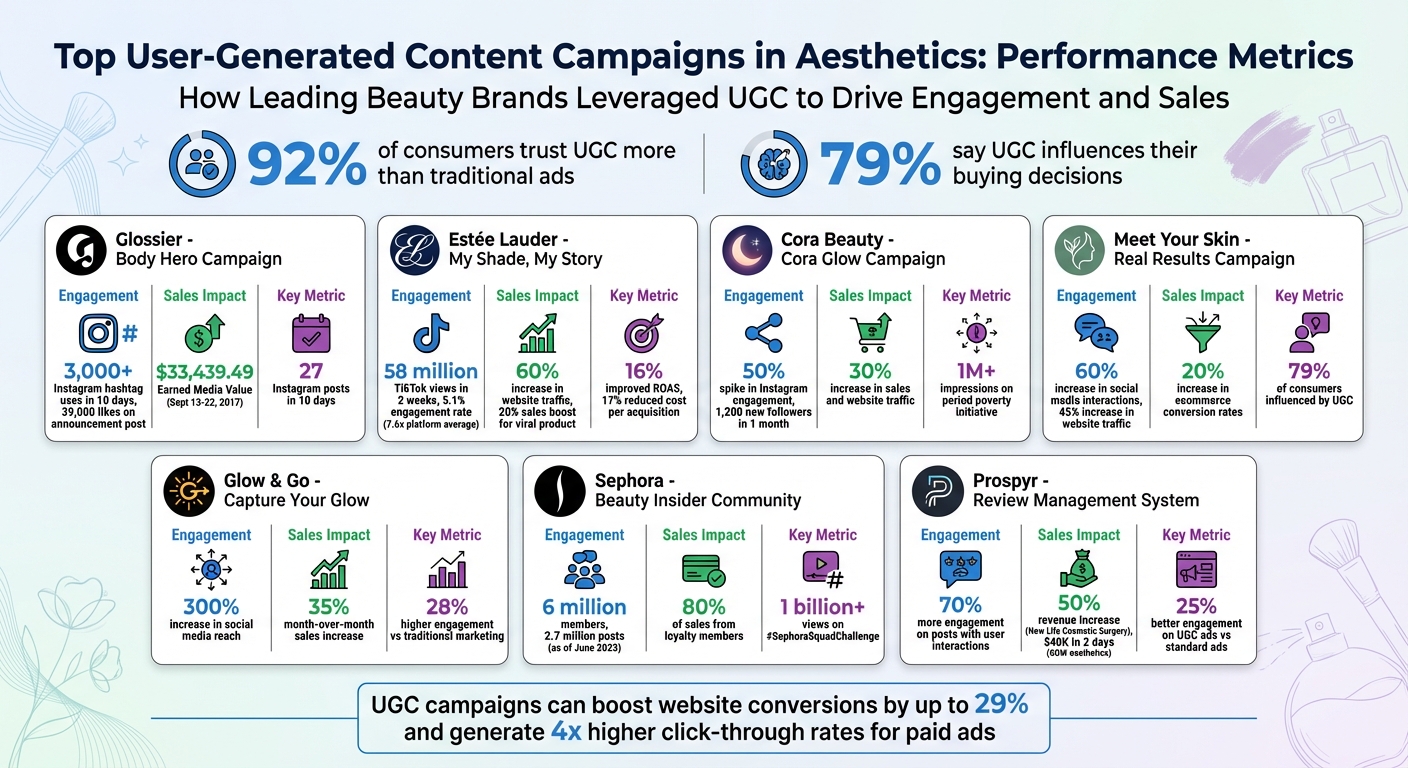
Top 7 UGC Campaigns in Aesthetics: Performance Metrics and Results
1. Glossier Body Hero Campaign
In September 2017, Glossier introduced the Body Hero campaign to highlight its new products: the Daily Oil Wash ($18) and Daily Perfecting Cream ($22). The campaign featured five women from diverse backgrounds, including Olympic gold medalist Swin Cash Canal (photographed at 39 weeks pregnant) and plus-sized model Paloma Elsesser. By showcasing relatable individuals rather than adhering to conventional beauty standards, Glossier positioned itself as a brand that celebrates authenticity.
Authenticity and Relatability of User Content
To encourage customer participation, Glossier included a "Body Hero" mirror sticker with every purchase, inviting buyers to share body-positive selfies. This small but thoughtful touch turned customers into active contributors to the campaign. The unretouched imagery of the campaign further inspired users to embrace and share their authentic selves. As Paloma Elsesser put it:
"I did this to show that being fat isn't a burden. Being fat isn't ugly or shameful. To prove to one person that it isn't brave to be fat, but bountiful."
Impact on Engagement Metrics
The campaign sparked significant online engagement in just 10 days. The #BodyHero hashtag appeared over 3,000 times on Instagram and more than 5,000 times across various platforms. Glossier’s Instagram announcement post alone garnered nearly 39,000 likes. The brand kept the momentum alive by posting 27 times on Instagram about the campaign during this period, creating a consistent buzz that resonated with audiences and emphasized the campaign's body-positive message.
Effectiveness in Driving Conversions
The Body Hero campaign proved to be not just a social media hit but also a commercial success. Between September 13–22, 2017, it generated $33,439.49 in Earned Media Value. Glossier further encouraged customer participation by including discount codes with every purchase, enabling customers to share them with friends and family. To take things a step further, the brand featured user-generated imagery on billboards in New York and Los Angeles, blending professional advertising with embedded marketing of real customer photos. This multi-channel strategy reinforced the campaign’s message: everyday people could proudly represent the brand, not just models.
sbb-itb-02f5876
2. Estée Lauder UGC Strategy

Estée Lauder has masterfully combined its luxurious heritage with a focus on personal storytelling. Moving away from the traditional high-glamour imagery, the brand now highlights real customers and micro-influencers using its products in everyday scenarios. This shift emphasizes inclusivity by showcasing a diverse range of skin tones, ages, and personal stories, making the brand more relatable while maintaining its premium appeal.
Authenticity and Relatability of User Content
The "My Shade, My Story" campaign stands out as a prime example of Estée Lauder's approach. By focusing on the experiences of real people, the campaign celebrated the brand's extensive 60-shade range for its Double Wear Stay-in-Place Foundation. Instead of relying exclusively on professional models, Estée Lauder invited customers to share their personal shade matches and beauty journeys. This created a deeper emotional connection with audiences, something that traditional advertising often struggles to achieve.
Estée Lauder also capitalized on viral content to enhance its authenticity. For instance, when a TikTok video praising the Advanced Night Repair serum gained massive traction, the brand quickly licensed the content and incorporated it into its campaigns. This move resulted in a 20% sales boost for the product.
Impact on Engagement Metrics
The "My Shade, My Story" campaign proved highly effective on TikTok, amassing over 58 million views in just two weeks. During the 2020 holiday season, Estée Lauder Companies collaborated with 20 creators on Instagram and TikTok for brands like Aveda, BECCA, and Clinique. This effort generated 139,000 total engagements and 7,829 website clicks. Additionally, when organic Instagram user-generated content (UGC) was promoted, it achieved an engagement rate of 5.1% - a figure 7.6 times higher than the platform's average benchmark. High engagement rates like these naturally translated into stronger conversion results.
Effectiveness in Driving Conversions
Incorporating user-generated content into its strategy led to a 60% increase in website traffic. During the peak holiday shopping season, Estée Lauder used real-time trend data to overlay trending keywords onto its product catalog. Val Del Castillo from Estée Lauder explained:
"This tech allowed the Estée Lauder brand to overlay trending keywords on our product catalogue during the gifting season. We were delighted with the impact on the results."
This initiative improved return on ad spend by 16% and reduced cost per acquisition by 17%. Additionally, ambassador campaigns featuring trending creators drove a 20–35% increase in traffic and conversions within weeks of launch.
Use of Platforms or Tools to Amplify UGC
Estée Lauder leverages advanced technology to enhance the impact of user-generated content. The brand uses "Trend Studio", an AI tool that monitors real-time viral trends to create campaign copy that resonates with current cultural moments. By integrating Google Merchant Centre data with the Spirable ad tech platform, the company dynamically updates ad creatives to align with current trends. Furthermore, tools like AR for personalized foundation matching enable Estée Lauder to tailor campaigns in real-time, demonstrating how technology can transform UGC into a powerful driver of sales.
3. Cora Beauty Customer Stories Campaign
Cora Beauty rolled out its "Cora Glow" campaign, encouraging customers to share their real skincare routines and results on Instagram and TikTok using the hashtag #CoraGlow. Instead of focusing on polished product images, the campaign highlighted personal skincare journeys, resonating with health-conscious audiences. To maintain brand identity while celebrating authenticity, Cora provided clear content guidelines that reflected its eco-friendly ethos, ensuring user-generated posts stayed true to the brand’s voice.
Authenticity and Relatability of User Content
The campaign leaned heavily on personal transformation stories, which proved far more engaging than typical product visuals. For instance, one post showcasing a skin transformation received over 500 likes and enthusiastic comments, illustrating the appeal of genuine narratives. To encourage participation, Cora offered giveaways and spotlighted exceptional posts on its official platforms, creating a sense of community and recognition. Digital marketing strategist Lena Novak praised the strategy, noting:
"Cora Beauty established clear guidelines for UGC to ensure user content aligns with its messaging, leading to consistent brand representation"
.
Impact on Engagement Metrics
The campaign delivered a 50% spike in Instagram engagement and brought in 1,200 new followers in just one month. By promoting customer stories across both Instagram and TikTok, Cora reached different segments of its audience, with transformation-focused posts outperforming standard branded content in terms of engagement.
Effectiveness in Driving Conversions
Beyond engagement, the campaign had a tangible impact on sales and website traffic, driving a 30% increase in both metrics. Additionally, tying user-generated content (UGC) to the issue of period poverty raised consumers' willingness to pay by an extra $5–$8 per month. A related initiative addressing period poverty generated over 1 million impressions, 1,210 scholarship applications from students at 739 colleges, and more than 600 social media link clicks. These outcomes highlight how combining UGC with meaningful causes can amplify both social impact and brand success.
Reading about the problem? See how Prospyr solves it in one platform.
Book a Demo4. Meet Your Skin Real Results Campaign
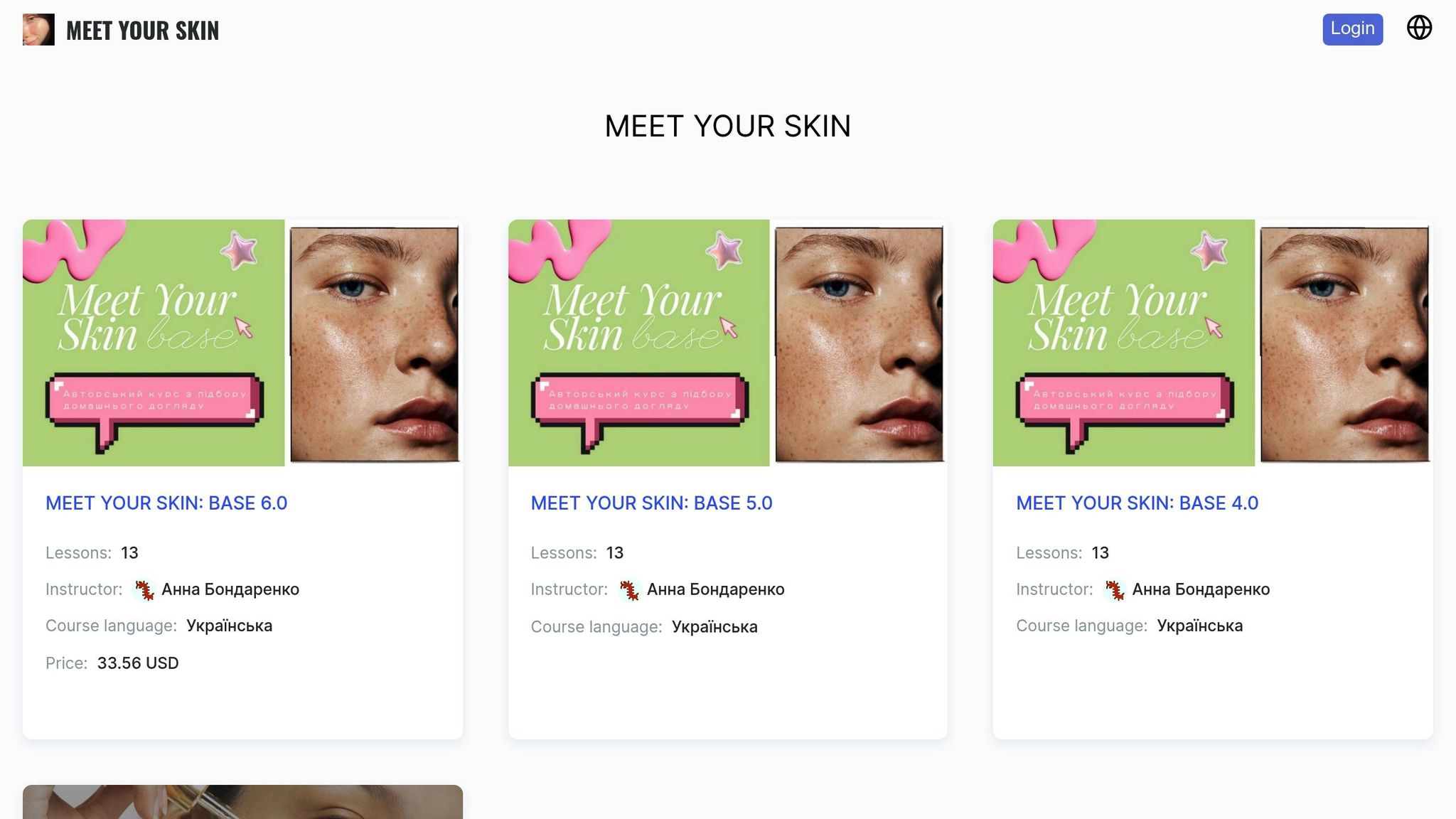
Meet Your Skin, a personalized skincare brand powered by AI, took a bold step with its "Real Skincare, Real Results" campaign. This initiative tapped into the power of authentic patient stories to showcase genuine skincare transformations. The campaign encouraged customers to share unfiltered before-and-after photos and heartfelt testimonials about their skincare journeys. By creating a visual library of real results, the brand highlighted the effectiveness of its AI-driven, tailored skin profiles. Customers were also invited to tag the company and use a dedicated hashtag, building a sense of community and amplifying engagement on social media platforms.
Authenticity and Relatability of User Content
The raw, unedited photos shared by customers served as a cornerstone of the campaign. These images grounded the brand's AI-powered personalization in real-life experiences, making the results feel relatable and achievable. This approach resonated strongly with audiences and fostered a deeper connection with the brand.
Impact on Engagement Metrics
The campaign's focus on authenticity paid off significantly. Social media interactions surged by 60%, while website traffic saw a 45% increase. These numbers reflect how genuine user content can captivate audiences and drive meaningful engagement.
Effectiveness in Driving Conversions
The campaign didn't just stop at engagement - it also delivered on conversions. Ecommerce conversion rates climbed by 20%, with 79% of consumers citing user-generated content (UGC) as a major factor influencing their purchase decisions. By combining visual social proof with heartfelt testimonials, Meet Your Skin created a strong trust signal that translated into real revenue growth. This strategy mirrors other successful UGC campaigns in the aesthetics space, proving that authentic customer stories can build trust and drive business results.
5. Glow & Go Travel Kit UGC
Glow & Go's "Capture Your Glow" campaign focused on beauty enthusiasts looking for high-performance, travel-friendly skincare solutions. Instead of using polished studio photography, the campaign encouraged customers to share their own travel beauty routines on Instagram and TikTok. This approach highlighted the products in real-life, unscripted moments, making them relatable to travelers juggling skincare while on the move.
Real-Life Appeal of User Content
Customers demonstrated how the travel kits easily fit into carry-on luggage, stayed effective after long flights, and simplified their morning routines. These practical examples had a stronger impact than traditional ads, showing that real-life beauty routines resonate more with travelers than staged studio images.
Boost in Engagement
By collaborating with micro-influencers who shared their honest experiences with the travel kits, Glow & Go saw a 300% increase in social media reach. These influencers connected the brand with niche communities, validating the user-generated content and inspiring more people to join in. The campaign created an active online community that kept engaging with the content long after the campaign ended, paving the way for sustained growth.
Conversions and Sales Growth
The campaign also drove tangible results, with sales jumping 35% month-over-month. This aligns with research showing that brands utilizing user-generated content often experience 28% higher engagement rates on social media compared to traditional marketing methods.
6. Sephora Beauty Insider Community
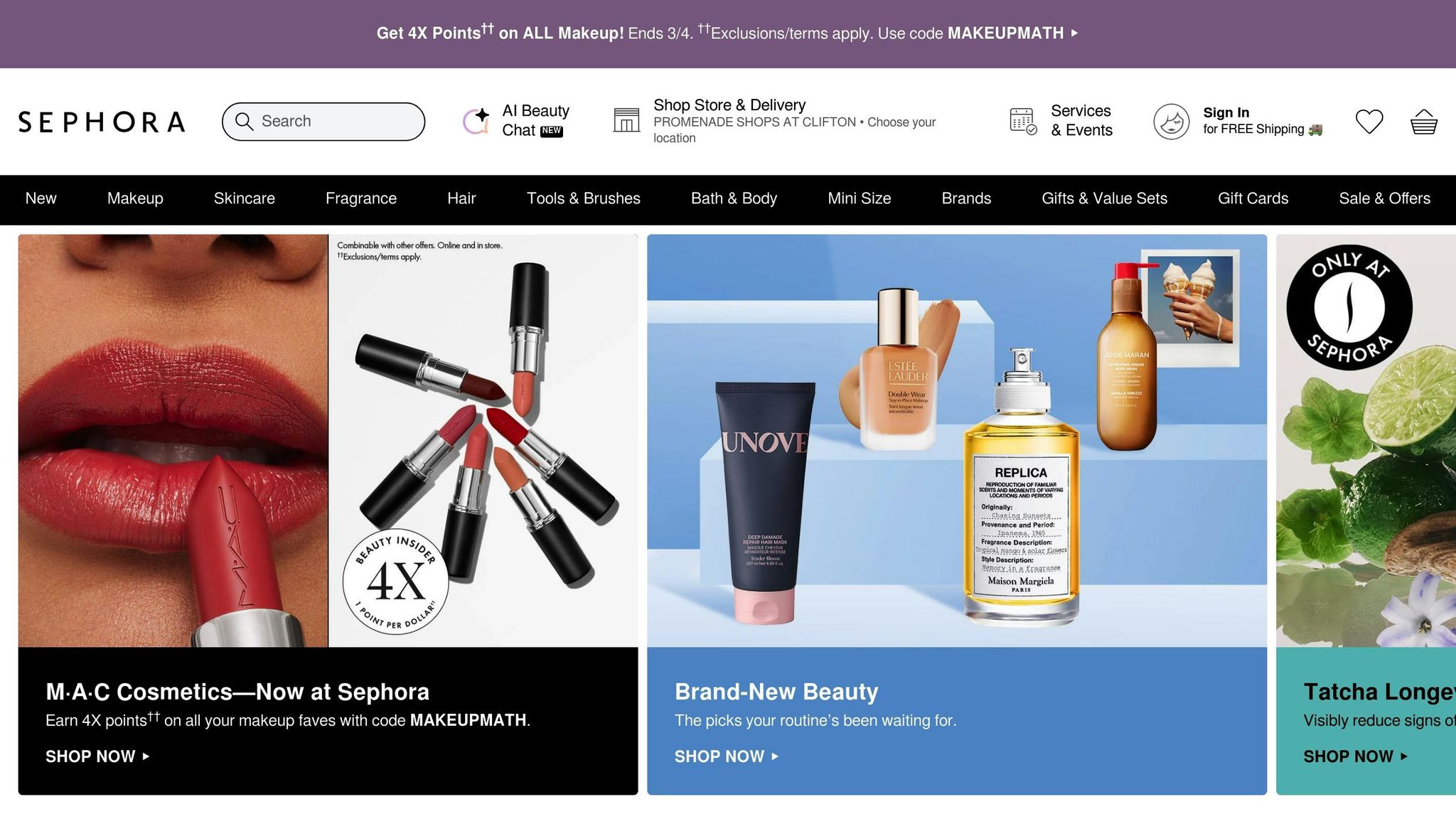
Sephora's Beauty Insider Community offers customers a space to share their real experiences on a dedicated digital platform. Since its launch in August 2017, the Beauty Insider Community has grown to nearly 6 million members by June 2023, generating over 2.7 million posts. This platform includes forums, interest-based groups like "K-Beauty", a Q&A section for peer-to-peer advice, and a Community Gallery where members upload photos and videos showcasing products on various skin tones and types. These shared experiences create a foundation of trust and engagement.
Authenticity and Relatability of User Content
What sets this community apart is its focus on transparency. Sephora encourages unfiltered reviews, fostering trust beyond curated marketing campaigns. The #SephoraSquad program, introduced in 2019, highlights beauty enthusiasts rather than traditional celebrity endorsements. By 2023, 70% of #SephoraSquad members represented diverse backgrounds, ensuring the content resonates with people of all ethnicities and age groups. These ambassadors provide honest reviews and share makeup looks, making it easier for others to explore products through authentic recommendations.
Impact on Engagement Metrics
Sephora boosts participation with a gamified system featuring 40 ranks and badges that reward users for frequent contributions. This strategy turns casual visitors into active community members. The shoppable gallery further enhances engagement, allowing users to turn inspiration into purchases instantly. Kyle Wong, Chief Strategy Officer at Emplifi, highlights the unique advantage of community-driven content:
"It's virtually impossible to replicate the variety of the content that you get from your community because you get the product used in so many different variations, different forms, and different places"
.
Effectiveness in Driving Conversions or Sales
The Beauty Insider Community doesn’t just drive engagement - it directly impacts sales. Loyalty members from the Beauty Insider program contribute up to 80% of Sephora's sales. Product pages featuring user reviews and photos consistently outperform traditional ads in conversion rates. During the 2020 COVID-19 lockdowns, Sephora increased live streaming through social media integration on platforms like WeChat, collaborating with makeup artists and influencers. This effort doubled channel share and tripled sales. Similarly, the #SephoraSquadChallenge for Rare Beauty on TikTok amassed over 1 billion views, showcasing how user-generated content can fuel significant sales momentum.
7. Prospyr Review Management for UGC
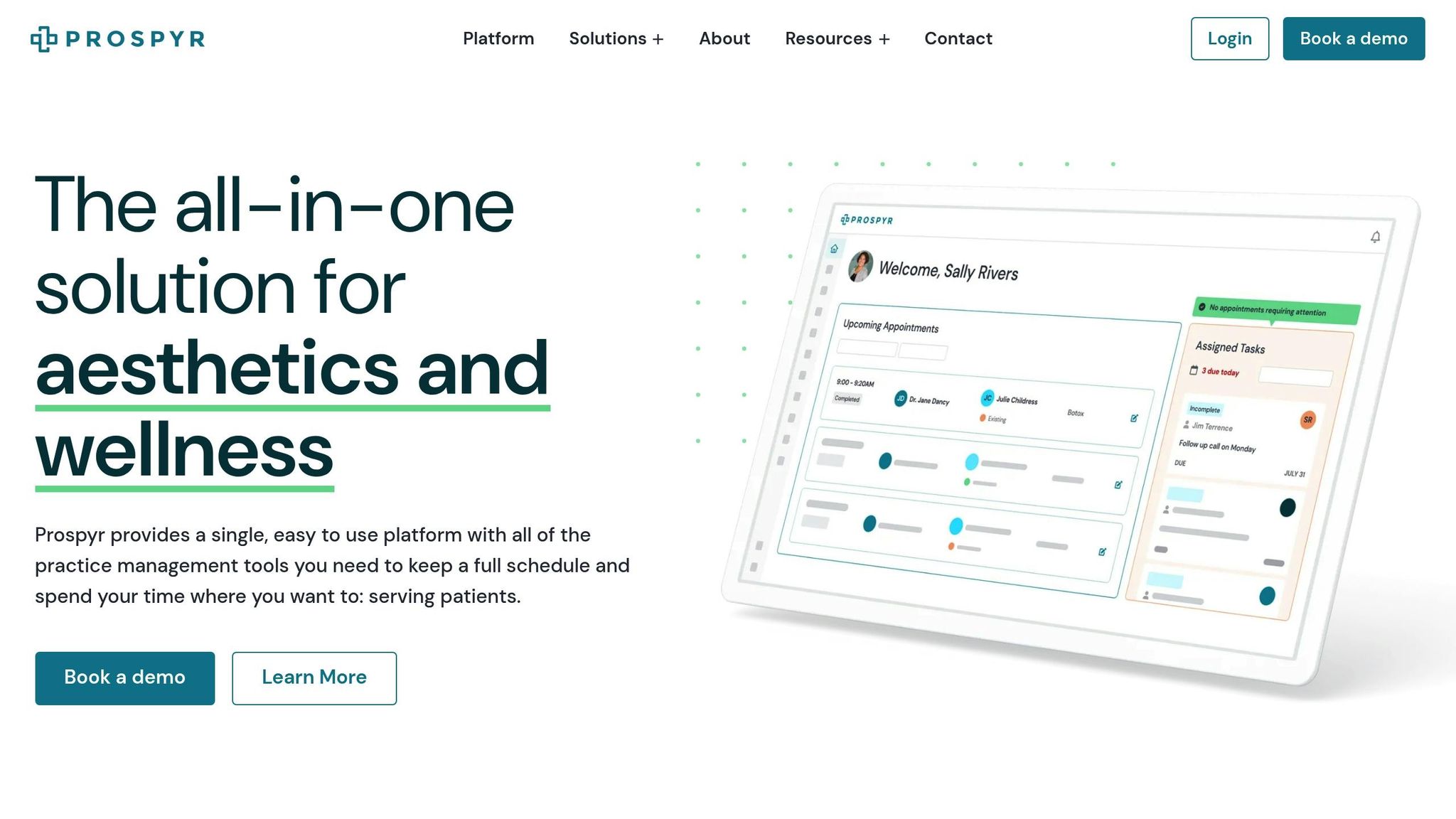
Aesthetics clinics often face challenges in gathering and showcasing genuine patient content. Prospyr's review management system addresses this by seamlessly integrating online reputation management into daily clinic operations. This allows clinics to collect and display authentic patient experiences at scale, creating opportunities for better engagement and increased conversions.
Tools to Boost UGC Collection and Sharing
Prospyr combines several tools to streamline the process of capturing and sharing user-generated content (UGC). With features like online reputation management, two-way SMS communication, and automated follow-up messages, clinics can request reviews immediately after treatments. The platform's Media Archive stores before-and-after photos and videos, while its Social Media Integration enables clinics to share content across multiple platforms from one dashboard. Additionally, the HIPAA-compliant CRM tracks leads generated from UGC campaigns, connecting them directly to new bookings.
Proven Results in Conversions and Sales
Clinics leveraging Prospyr have reported impressive results. For instance, New Life Cosmetic Surgery Center saw a 50% revenue increase and a 40% boost in appointment bookings. Similarly, SOM Aesthetics hit its six-week sales target in just two days, generating $40,000 in revenue.
Influence on Engagement Metrics
User-generated content has a noticeable impact on engagement. Posts that include user interactions achieve 70% more engagement, and ads featuring UGC deliver 25% better engagement compared to standard ads. Moreover, 97% of women consider reviews and before-and-after photos to be "important" or "very important" when selecting a practitioner. Prospyr's automated review collection ensures clinics consistently have fresh, trust-building content to attract potential patients.
8. Glossier Community Building Approach
Glossier didn’t just build a brand - it built a community. Instead of relying on professional models, the beauty brand highlights real people with freckles, tattoos, and natural hair, reflecting the diversity of its customer base. This approach has paid off: 70% of online sales come through word-of-mouth, and nearly 80% of customers are referrals.
Authenticity and Relatability of User Content
Glossier’s product development process is deeply rooted in its community. For example, in January 2015, founder Emily Weiss asked readers to describe their "dream face wash." Over the next year, the team sifted through 400 blog comments and Instagram responses, noting requests for features like makeup removal and a balm-like texture. The result? The Milky Jelly Cleanser, launched in January 2016 at $18, became a bestseller because it directly addressed customer needs.
"We're in an era where people are predominantly looking for peer-to-peer connection and community to make beauty purchasing decisions." - Emily Weiss, Founder, Glossier
This transparent, community-driven approach helped Glossier create products that genuinely resonate with its audience while fueling its growth.
Impact on Engagement Metrics
By 2017, Glossier’s focus on consumer-led content delivered impressive results: a 600% sales increase, a tripling of its customer base, and 20,000 new Instagram followers every month. Fast forward to 2024, and the brand has amassed over 2.8 million Instagram followers, with 8% of total sales coming from its Instagram ambassador program.
Use of Platforms or Tools to Amplify UGC
Glossier takes user-generated content (UGC) to the next level by leveraging platforms that amplify its reach. Instagram serves as the brand’s primary hub, where it curates a weekly "Top 5" Stories highlight featuring standout tagged content. Its ambassador program, which included over 500 ambassadors by 2022, empowers everyday customers with personalized referral links and commissions. Beyond Instagram, Glossier taps into private Slack channels and Facebook Groups to gather candid product feedback. Social media comments are treated as a "mountain of market research", helping the brand fine-tune its offerings.
Conclusion
Campaigns by brands like Glossier and Estée Lauder show that successful user-generated content (UGC) strategies in the aesthetics space thrive on authenticity, community engagement, and smart platform use. These aren’t just buzzwords - data backs them up. Studies reveal that UGC can boost website conversions by up to 29% and generate four times the click-through rates for paid ads.
Patients today crave real, relatable results over airbrushed perfection. Campaigns such as #CoraGlow and Meet Your Skin proved this, driving higher social engagement and increased e-commerce conversions by showcasing genuine patient stories.
For practices ready to dive into UGC, starting small can go a long way. Develop a branded hashtag - something like #GlowWith[YourClinicName] - to track patient stories. Encourage participation by offering perks like discounts on future treatments or monthly contests. Featuring patient testimonials and before-and-after galleries directly on treatment pages can also make a big impact. Personalized emails with UGC content, for example, see a 26% higher open rate.
Make the process easy and the engagement meaningful. Respond to every patient who tags your practice, reshare their posts (with permission), and treat their stories as valuable assets. As Kyle Wong, Chief Strategy Officer at Emplifi, puts it:
"User-generated content is a 24/7, 365-day marketing channel and opportunity."
Tools like Prospyr simplify the process by combining review management and social media features, enabling practices to collect, curate, and amplify patient stories while staying HIPAA-compliant.
The aesthetics industry thrives on visible transformations, and who better to tell those stories than satisfied patients? By focusing on honest experiences and fostering real connections, practices can transform their patient community into their most effective marketing team.
FAQs
Why does UGC outperform traditional ads in aesthetics?
UGC stands out against traditional ads in terms of aesthetics because it highlights real user experiences. This genuine approach connects better with consumers, fostering stronger engagement and trust in the brand.
How can a clinic collect before-and-after UGC legally (HIPAA)?
Clinics are allowed to gather before-and-after user-generated content (UGC), but it’s crucial to secure explicit, written consent from patients. This consent should clearly outline details like where the content will be used, how long it will be used, the patient’s right to withdraw consent at any time, and any compensation involved.
To stay on the right side of the law, clinics need to ensure the consent is genuine, keep thorough records, and immediately stop using the photos if a patient revokes their permission. These practices are essential for complying with HIPAA regulations and maintaining legal protection.
Where should UGC go to drive more bookings and sales?
User-generated content (UGC) shines when used thoughtfully across your website, social media channels, and digital ads. Featuring before-and-after photos, testimonials, and videos on your site can help establish trust with potential clients. Sharing genuine client content on platforms like Instagram or TikTok is a great way to drive engagement. You can also weave UGC into email campaigns and ads to highlight real-life results, adding credibility and motivating bookings.