Can Estheticians Do Microneedling? Rules in All 50 States (2026)
Can estheticians do microneedling? The answer for all 50 states, with depth limits, Texas and California rules, FDA device rules and official sources.
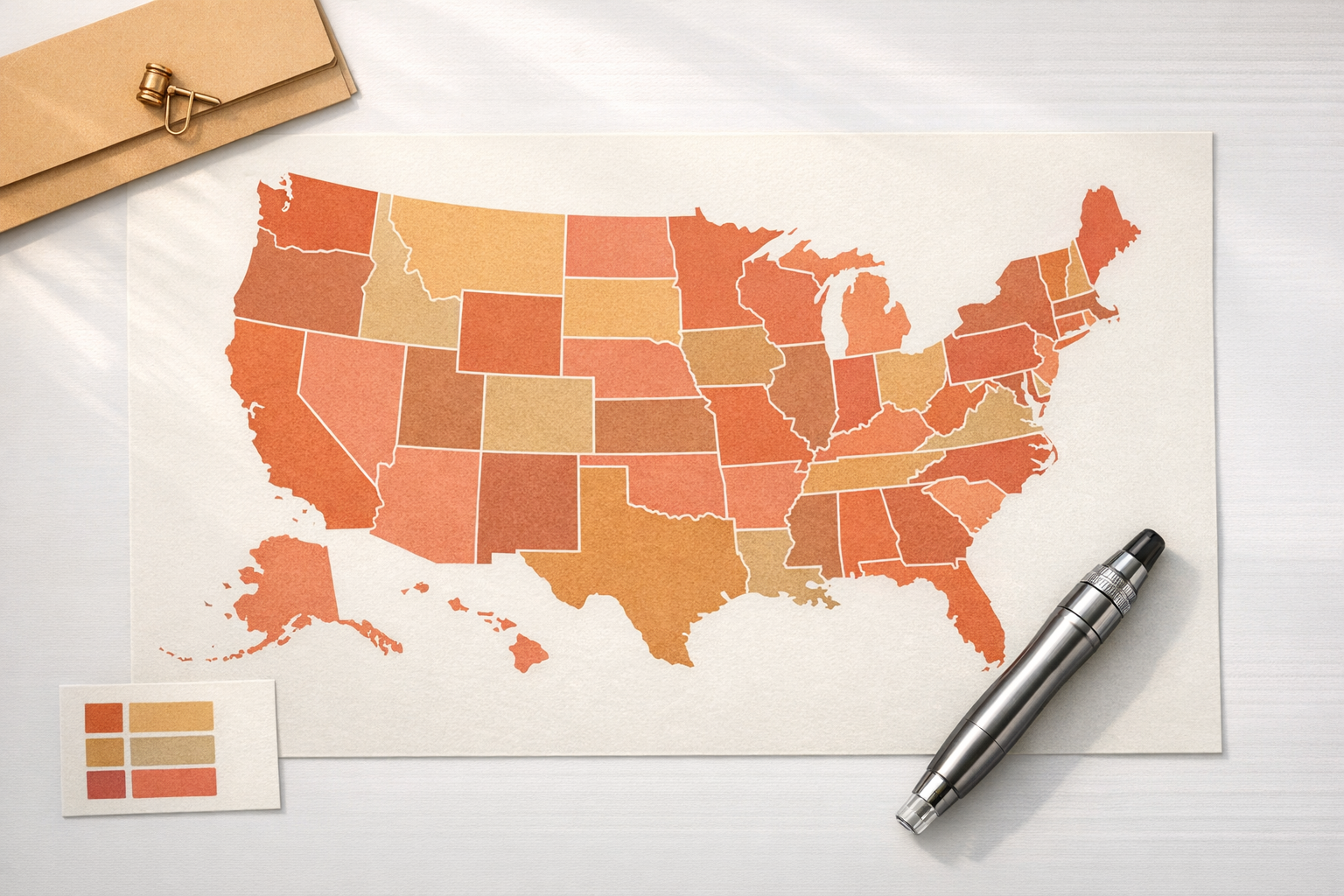

In most states, estheticians cannot perform microneedling, or the rules don't address it. In our review of all 50 states, 11 allow it within limits (usually a maximum needle depth or the epidermis only), 5 allow it only with an advanced license or medical supervision, 20 say it is outside esthetician scope, including Texas and California, and 14 have no official guidance that names it.
For med spa owners and practice managers. Updated September 30, 2026 · Prepared by Prospyr. Every state entry below links to the official source it rests on: a board rule, statute, guidance document or enforcement notice. Where no official source names microneedling, we say so rather than guess. Rules change and scope questions depend on the device, depth and purpose, so confirm with your state board and healthcare counsel before adding microneedling to an esthetician's schedule. This is not legal advice.
| Can estheticians perform microneedling? | States | Which states |
|---|---|---|
| Yes, within limits | 11 | Arizona, Arkansas, Indiana, Maryland, Massachusetts, Nebraska, Nevada, North Carolina, Oregon, South Carolina, Utah |
| Only with an advanced license or medical supervision | 5 | Alabama, Minnesota, North Dakota, Tennessee, Wisconsin |
| No | 20 | Alaska, California, Connecticut, Florida, Illinois, Iowa, Kentucky, Louisiana, Montana, New Hampshire, New Jersey, New York, Ohio, Oklahoma, Pennsylvania, Rhode Island, South Dakota, Texas, Virginia, Wyoming |
| No specific official guidance | 14 | Colorado, Delaware, Georgia, Hawaii, Idaho, Kansas, Maine, Michigan, Mississippi, Missouri, New Mexico, Vermont, Washington, West Virginia |
Can estheticians do microneedling?
It depends on the state, and in most states the answer is no or unclear. In our review of all 50 states, 11 allow estheticians to perform microneedling within stated limits, usually a maximum needle depth or a restriction to the epidermis; 5 allow it only with an advanced license or under medical supervision; 20 say it is outside esthetician scope; and 14 have no official statement that names it.
Where estheticians can't perform it, microneedling is generally treated as a medical procedure performed by, or delegated by, a licensed physician, PA or nurse practitioner under that state's medical and nursing rules.
Can estheticians do microneedling in Texas?
No, not on an esthetician or cosmetology license. The Texas Department of Licensing and Regulation lists microneedling under the Texas Medical Board in its Medspas at a Glance guide, and TDLR rules prohibit any procedure that comes into contact with or penetrates the dermis. In 2024 the Texas Medical Board issued a cease-and-desist order to a cosmetology licensee for offering microneedling without a physician license, describing it as the practice of medicine.
A Texas physician may delegate nonsurgical medical cosmetic procedures to properly trained individuals under the Medical Board's rules (22 TAC Chapter 169, effective January 2025), with a signed written protocol, a physician, PA or APRN onsite or immediately available, and posted notice of the delegating physician. Neither TDLR nor the Medical Board sets a "safe" depth for estheticians; depth limits you may see quoted for Texas have no official basis. See our Texas licensing guide.
Can estheticians do microneedling in California?
No. California's Board of Barbering and Cosmetology says micro needling and derma rolling are not within the scope of practice for any board licensee, and its 2023 esthetician flier lists microneedling and nanoneedling as prohibited. See our California licensing guide.
Reading about the problem? See how Prospyr solves it in one platform.
Book a DemoHow deep can estheticians microneedle?
Only a handful of states set a depth, and each applies to a specific license:
| State | Depth or layer limit | Applies to |
|---|---|---|
| Arizona | Under 0.5 mm | Licensed aestheticians |
| Nebraska | Up to 0.5 mm (advisory, non-binding) | Estheticians |
| North Dakota | 0.5 mm or less without supervision (from 2026) | Advanced estheticians |
| North Carolina | No deeper than 1 mm | Estheticians and cosmetologists |
| Maryland | Needles no longer than 1 mm, epidermis only | Estheticians |
| South Carolina | No more than 1.4 mm | Estheticians |
| Nevada | Up to 1.5 mm | Advanced estheticians |
| Utah | Up to 1.5 mm without supervision | Master estheticians |
| Indiana | 0.3 mm to 2 mm (from July 2026) | Estheticians with advanced training |
| Arkansas, Massachusetts, Oregon | Not beyond the epidermis | Estheticians |
| Minnesota | Epidermal layer | Advanced practice estheticians |
A depth limit in one state says nothing about another. Where a state sets no limit, don't borrow one.
Who can perform microneedling?
In states where estheticians can't, microneedling is performed by licensed clinicians or under their delegation: physicians, and in many states PAs, nurse practitioners and registered nurses acting within their own scope and their state's delegation rules. Supervision requirements vary: Connecticut's medical spa law requires an assessment by a physician, PA or APRN, and Rhode Island's guidance chart lists physicians and PAs as within scope but not RNs. Cosmetology licenses usually carry the same limits: California, Florida, Arkansas, Ohio and North Carolina address cosmetologists and estheticians together.
What does the FDA say about microneedling devices?
The FDA classifies a microneedling device for aesthetic use as a Class II medical device. Its 2020 guidance on microneedling products says needle penetration beyond the stratum corneum is evidence a product may be intended to affect the structure or function of the body, which makes it a device. The FDA's consumer page notes that microneedling may be considered a medical procedure. Device clearance and scope of practice are separate questions: an FDA-cleared device doesn't make a procedure part of an esthetician's license.
Microneedling rules in every state
Yes, within limits (11 states)
These states allow estheticians to perform microneedling within a stated depth, layer or license tier.
- Arizona A board policy statement lists microneedling to a maximum depth under 0.5 mm within aesthetician scope, with training and in a licensed establishment. The Board of Nursing addresses 0.5 mm and deeper for nurses. Source: Arizona Barbering and Cosmetology Board: Substantive Policy Statement on Scope of Practice, September 2024.
- Arkansas The Department of Health says cosmetologists and aestheticians may perform microneedling if it does not penetrate or pierce the skin beyond the epidermis. Source: Arkansas Department of Health: Cosmetology FAQs, Rule effective September 2024.
- Indiana A 2026 law adds microneedling at a depth of 0.3 mm to 2 mm to the esthetician definition, with proof of advanced training available on request. Board rules implementing it are due by mid-2027. Source: Indiana House Enrolled Act 1131 (2026), Effective July 1, 2026.
- Maryland Esthetic services include cosmetic microneedling: non-medical devices with needles no longer than 1 mm that don't penetrate beyond the epidermis, with new needles for each patient. Source: COMAR 09.22.01.04, Statute 2024; regulation 2025.
- Massachusetts Board policy permits microneedling that penetrates only the epidermis and prohibits techniques that invade the dermis. Source: Massachusetts Board of Cosmetology and Barbering: Policy on Practices Outside the Scope of Licensure, Amended December 2025.
- Nebraska A board advisory opinion accepts needles up to 0.5 mm; larger needles are for medical use only. The board describes its advisory opinions as non-binding. Source: Nebraska DHHS: Cosmetology, Esthetics and Body Art Advisory Opinions, August 2022.
- Nevada Licensed advanced estheticians only, with needle penetration up to 1.5 mm; deeper only under direct supervision of a health care professional. Basic estheticians may not use needles. Source: NAC 644A.790, Amended April 2024.
- North Carolina A board declaratory ruling places microneedling within esthetician and cosmetologist scope when the intent is skin stimulation, with devices no deeper than 1 mm, used within manufacturer guidelines by a trained licensee. The same ruling also refers to not going beyond the epidermis. Source: NC Board of Cosmetic Art Examiners: Esthetic Scope Declaratory Ruling, Effective July 2022.
- Oregon Esthetics devices include microneedling devices, which must not penetrate beyond the epidermis and must be used for cleansing, stimulating or exfoliating, not medical treatment. Deeper nonablative work is reserved for certified advanced estheticians. Source: OAR 817-015-0040, Effective January 2024.
- South Carolina Board guidance allows microneedling to a depth of no more than 1.4 mm, with no cutting or altering of living tissue and FDA-cleared devices where required. Source: SC Board of Cosmetology: meeting minutes, esthetic modalities guidance, Regulation amended May 2025; guidance July 2025.
- Utah Master estheticians only: up to 1.5 mm without supervision, deeper with general supervision by a licensed health care practitioner, for cosmetic purposes. Source: Utah Admin. Code R156-11a-611, Amended January 2025.
Only with an advanced license or medical supervision (5 states)
These states allow it only for a higher license tier or under a physician's supervision or medical license.
- Alabama (Under a medical license only.) Board licensees may not perform micro-needling unless working within the scope of a medical license; board services are confined to the stratum corneum. Source: Alabama Board of Cosmetology and Barbering: Banned Items, Revised October 2021; rules through February 2025.
- Minnesota (Advanced practice license only.) Advanced practice estheticians may perform skin needling on the epidermal layer; the basic esthetician license covers only the stratum corneum. Source: Minn. R. 2105.0105, Amended 2020.
- North Dakota (Advanced license or supervision.) From January 1, 2026, licensed advanced estheticians with board-approved training may perform cosmetic needling to 0.5 mm; deeper advanced needling requires supervision by a licensed medical professional. Standard estheticians may not. Source: N.D. Admin. Code 32-01-02-01, Effective January 2026.
- Tennessee (Under physician supervision.) By statute, a licensed aesthetician may perform cosmetic microneedling under the supervision of a licensed physician (MD or DO). Source: Tennessee Public Chapter 376 (TCA 62-4-109), Enacted May 2021.
- Wisconsin (Under physician supervision.) Microneedling is a delegated medical procedure that cosmetology licensees may perform only as directed, supervised and inspected by a physician. Source: Wis. Admin. Code Cos 2.025, Effective November 2023.
No (20 states)
These states say, in a rule, board statement, guidance chart or enforcement action, that microneedling is outside esthetician scope.
- Alaska The Board of Barbers and Hairdressers recommends that its licensees not perform microneedling, microchanneling or dermaroller services until it completes its research. Alaska's statute separately mentions microneedling in its tattooing definition. Source: Alaska Board of Barbers and Hairdressers: FAQs, Board recommendation from October 2022.
- California The Board of Barbering and Cosmetology says micro needling and derma rolling are not within the scope of practice for any board licensee, and its esthetician flier lists microneedling and nanoneedling as prohibited. Source: California BBC: Micro Needling/Derma Rolling bulletin, 2014 bulletin; esthetician flier August 2023.
- Connecticut Esthetics excludes any cosmetic medical procedure, which state law defines to include dermastamping and dermarolling. At a medical spa these are performed by a physician, PA, APRN or RN after an assessment. Source: Conn. Gen. Stat. §19a-903c, Current statute.
- Florida Board rule says microneedling pierces the skin and is beyond the scope of a Florida licensed cosmetologist or registered full or facial specialist. Source: Fla. Admin. Code R. 61G5-18.00015, Effective October 2021.
- Illinois IDFPR says microneedling is the practice of medicine and not within cosmetologist or esthetician scope. A person performing it under physician delegation may not present themselves as an esthetician while doing so. Source: IDFPR Statement on Prohibited Practices, April 2026.
- Iowa The Board of Medicine treats microneedling as a medical aesthetic service, and people licensed only by the cosmetology board are limited to superficial services. Source: Iowa Board of Medicine: Medical Aesthetic Services, 2022 guidance.
- Kentucky Board regulation prohibits microneedling procedures for estheticians, with narrow exceptions that don't include it. Source: 201 KAR 12:280, Amended December 2025.
- Louisiana Board rules list micro-needling as a prohibited service in licensed salons. Nano-needling that stays in the epidermis, no deeper than 0.25 mm, is permitted. Source: LAC 46:XXXI §717, December 2023.
- Montana Board of Barbers and Cosmetologists licensees are limited to noninvasive procedures; anything that compromises the germinative or basal layers is prohibited. Cosmetic medical procedures go to the medical and nursing boards. Source: Montana Board of Barbers and Cosmetologists: Med Spa FAQ, January 2024.
- New Hampshire Barbering, cosmetology and esthetics rules prohibit using any microneedling device, or having one available for use in the facility. Source: N.H. Admin. Code Bar 302.07, Effective May 2021.
- New Jersey Skin care specialists may not work below the stratum corneum, and a 2024 Division of Consumer Affairs enforcement notice listed microneedling among unlicensed services at a skin care shop. No rule names microneedling. Source: N.J.A.C. 13:28-2.15, Rule amended 2021; enforcement notice July 2024.
- New York The Department of State lists microneedling and dermarolling, and nano-needling, as not allowed under any appearance enhancement license. Source: NYS DOS: Appearance Enhancement Procedural Service Determinations, March 2025.
- Ohio The Cosmetology and Barber Board has said microneedling is outside its scope of practice, and its rules bar services that ablate, damage or alter living cells. Source: Ohio State Cosmetology and Barber Board FAQ (archived), FAQ 2024; rule effective January 2025.
- Oklahoma Board rules place microneedling, defined as creating microchannels deeper than 0.25 mm, outside cosmetology and esthetician licenses. Source: OAC 175:10-7-29, Effective September 2023.
- Pennsylvania The State Board of Cosmetology disciplined a salon for allowing micro-needling, described as a prohibited service, on licensed premises. This is an enforcement action, not a rule. Source: PA Department of State: BPOA Disciplinary Actions, September 2023, September 2023.
- Rhode Island RIDOH's med spa scope chart marks microneedling as not within esthetician scope; it lists physicians and PAs as within scope. Source: RIDOH: Guidance on Medical Spas and IV Therapy Businesses, July 2024.
- South Dakota The Cosmetology Commission listed microneedling among services estheticians cannot perform, even with an unregulated-services sign; esthetics is limited to the stratum corneum. Source: SD Cosmetology Commission Newsletter, October 2020.
- Texas Not on a TDLR esthetician or cosmetology license. TDLR assigns microneedling to the Texas Medical Board, and TDLR rules prohibit any procedure that contacts or penetrates the dermis. A physician may delegate nonsurgical medical cosmetic procedures to trained individuals under 22 TAC Chapter 169 with a written protocol and a physician, PA or APRN onsite or immediately available. Source: TDLR: Medspas at a Glance, TDLR table 2026; 16 TAC 83.112(c) effective 2023; 22 TAC 169 effective Jan 2025.
- Virginia Board guidance says microneedling is beyond the scope of all Board for Barbers and Cosmetology licenses, including master esthetician. Source: Virginia Board for Barbers and Cosmetology: Guidance Document 6176, Effective May 2018.
- Wyoming Procedures that pierce the epidermal or dermal layer are invasive and prohibited for board licensees; microneedling isn't named. Source: 033-1 Wyo. Code R. §1-7, Amended January 2023.
No specific official guidance (14 states)
We found no official statement that names microneedling. Where the general scope rules point one way, the entry says so; treat these as questions for your state board and counsel, not as permission.
- Colorado Microneedling isn't named. Board rules prohibit any service that penetrates, destroys or alters skin beyond the epidermis, which is a scope-definition reading. Source: 4 CCR 731-1, Rule 1.8, Effective October 2025.
- Delaware The esthetics statute and regulations don't address needles or invasive procedures. Source: 24 Del. C. Chapter 51, Current statute.
- Georgia The State Board of Cosmetology rules and FAQ don't address microneedling. Source: Rules of the Georgia State Board of Cosmetology, Current rules.
- Hawaii The board drafted, but has not adopted, a bulletin on invasive procedures that would cover microneedling; its minutes record a view that procedures should not penetrate the epidermis. Source: Hawaii Board of Barbering and Cosmetology: meeting minutes, Draft deferred through 2023.
- Idaho Microneedling isn't named. Board guidance says any procedure delving into living tissue is invasive and outside esthetician scope, and Class II devices require qualified supervision. Source: Idaho DOPL: Practice of Esthetics and Use of Medical Devices, Revised February 2026.
- Kansas Microneedling isn't named. Board rules confine services to the nonliving stratum corneum and bar altering living cells. Source: K.A.R. 28-24-1, Kansas Board of Cosmetology, Amended 2020.
- Maine Microneedling isn't named. Rules prohibit exfoliating devices that affect more than the top layer of the epidermis. Source: 02-041 CMR ch. 26, Effective 2016.
- Michigan Microneedling isn't named. Since April 2025, state law limits esthetician skin care services to the stratum corneum; a draft rule on needles is not adopted. Source: MCL 339.1210, Amended effective April 2025.
- Mississippi Microneedling isn't named. Temporary board rules bar any service or tool that penetrates below the epidermis and any FDA Class 2 or 3 equipment. Source: Mississippi Board of Cosmetology and Barbering: Temporary Rules, Temporary rules, August 2026.
- Missouri The board's statutes and rules don't address needles or skin penetration. Source: Missouri Board of Cosmetology and Barber Examiners: Rules and Statutes, Current.
- New Mexico Microneedling isn't named. The esthetics rules treat any procedure that contacts or penetrates the dermis as invasive, which is a scope-definition reading rather than an explicit ruling. Source: 16.34.7.9 NMAC, Amended 2018.
- Vermont Microneedling isn't named. The statute excludes from esthetics any treatment that is the practice of medicine, including injections and lasers. Source: 26 V.S.A. §271, Current statute.
- Washington Microneedling isn't named. Master estheticians may use medical devices only as state delegation and supervision laws allow. Source: RCW 18.16.020, Current statute.
- West Virginia Neither the statute nor the board's rules address needles, the dermis or invasive procedures. Source: W. Va. Code §30-27-3, Current statute.
What this means for a med spa
- Put microneedling on the medical side of your menu unless your state clearly allows it for your esthetician's license tier, depth and device.
- Write the supervision down. Where the procedure is delegated, keep the protocol, training records and supervising clinician for each provider, not just a medical director contract.
- Match the device to the rule. Record the device, needle depth used and purpose in the chart for every treatment.
- Use a procedure-specific consent. Our microneedling consent template is a starting point for professional review.
- Recheck every year. Indiana, North Dakota, South Carolina, Maryland and Michigan changed their rules in the last two years.
Where Prospyr fits
Prospyr keeps the pieces this depends on in one place: provider credentials and schedules, procedure-specific consents, charting that records the device and settings used, and before-and-after photos. Book a demo to see a microneedling visit from booking to follow-up.
Editorial scope
State entries cite official sources, checked September 2026 with AI-assisted research. Some board sites block automated access, so a few sources were read from official-page archive copies or public copies of the administrative code; entries marked "no specific official guidance" reflect what we found, not a legal conclusion. This is general information, not legal advice. Read our methodology or report a correction.
Free PDF guide + worksheets
Build your state opening file.
Get the state highlights, linked official sources, service-by-service licensing worksheet, ownership questions and opening checklist in one printable guide.
- ✓ State-specific decisions and next steps
- ✓ Credential and supervision worksheet
- ✓ A place to track approvals, owners and renewals